
Traditional Irish Clothing and the Family Stories Behind What People Wore
When we trace Irish family history, we often begin with names, dates, places and records. But family history is not only found in documents. It can also be found in the everyday details of how people lived — including what they wore.
Traditional Irish clothing tells us a great deal about ordinary life in Ireland. It reflects the weather people faced, the work they did, the materials they could access, and the communities they belonged to. A garment was rarely just a piece of clothing. It could show practicality, pride, faith, class, labour, and family memory.
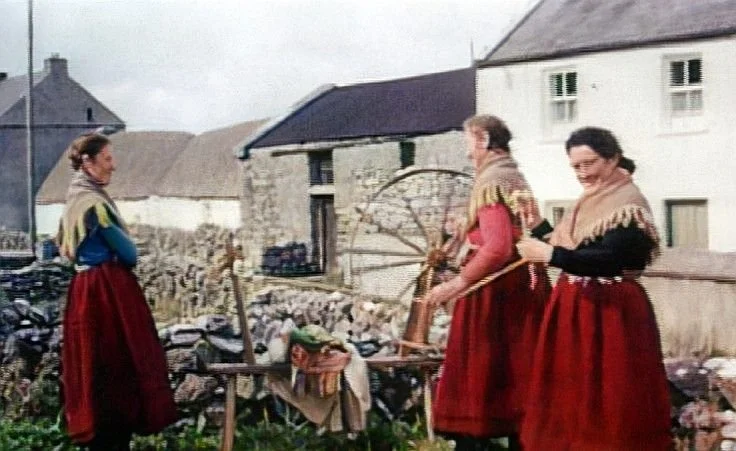
Clothing as Everyday Irish Heritage
Ireland did not have a single traditional costume worn by everyone across the country. Instead, Irish clothing was shaped by region, work, weather, and family circumstances.
For many rural families, clothes needed to be practical, warm and long-lasting. Common garments included linen shirts, wool skirts, aprons, shawls, waistcoats, báinín jackets, flat caps, woollen coats, strong boots, and carefully kept Sunday best clothes.
These items were part of everyday Irish life. They were worn in homes, fields, markets, churches, fishing villages and town streets. New clothing was not always easy to afford, so garments were often repaired, reused and valued carefully.
This is why clothing matters in Irish heritage. It helps us understand the real world behind family names and old records.
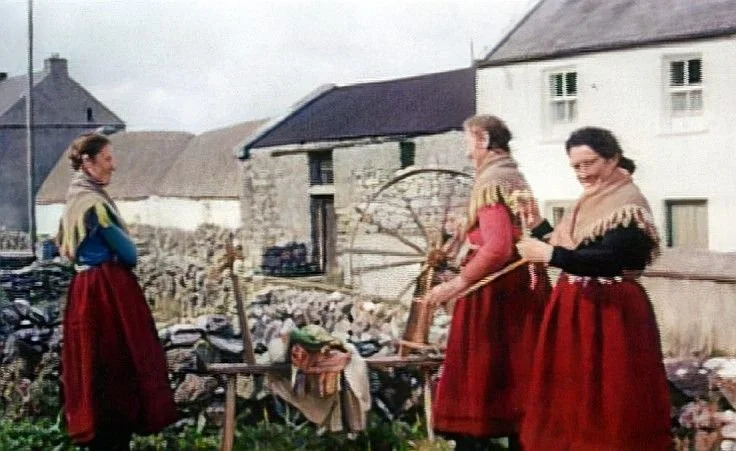
What Clothing Can Tell Us About Family Life
Traditional Irish clothing can help us read the past in a more personal way.
An apron can suggest domestic labour, cooking, cleaning or farm work. A wool shawl can reflect warmth, modesty and movement between home, church and market. A flat cap may connect to farming, labouring, rural identity, or everyday town life.
The idea of Sunday best is also important. Many families kept their best clothes for Mass, weddings, funerals, formal photographs and community events. These clothes showed pride and respectability, even when everyday life was difficult.
For people researching Irish ancestry, these details can make old photographs more meaningful. Clothing may give clues about occupation, social status, time period, region and family circumstances.
Aran Sweaters and the Craft of the West of Ireland
One of the most famous examples of traditional Irish clothing is the Aran sweater, also known as the Aran jumper.
Associated with the Aran Islands and the west of Ireland, Aran knitwear is known for its textured patterns and warm wool. Stitches such as diamond, blackberry and sheaf of wheat show the skill of Irish knitters and the beauty of handmade craft.
The Aran sweater is now recognised around the world, but its roots are connected to island life, weather, work and family economy. It reminds us that clothing was often made by hand and carried the skill of local communities, especially women.
Irish Linen and Donegal Tweed
Two other important Irish textile traditions are Irish linen and Donegal tweed.
Irish linen is connected with flax growing, spinning, weaving and textile labour. It was used in shirts, household cloth and other everyday items. Linen links Irish clothing heritage with work, trade, domestic life and regional industry.
Donegal tweed is closely associated with County Donegal and the rugged north-west of Ireland. It reflects wool, weaving, weather and landscape. A Donegal tweed jacket, flat cap or coat can represent both practicality and local pride.
Like Aran knitwear, these fabrics are not only materials. They are part of Irish memory.
Why Traditional Irish Clothing Still Matters
Traditional Irish clothing helps us see ancestors as real people, not only names in a parish register or census record. It helps us imagine how they worked, worshipped, travelled, kept warm, dressed for important occasions, and cared for the few possessions they owned.
At Irish Family Heritage Trust, we believe family history should bring these lives closer. Clothing gives texture to the past. It reminds us that Irish heritage is not only written down.
Sometimes, it is woven, knitted, worn and remembered.
Start tracing your Irish family history with Irish Family Heritage Trust:
https://www.irishfamilyheritagetrust.com/