

Discover your Irish heritage!
Discover your Irish heritage!

Want to find out more about your heritage?
We encourage you to visit…
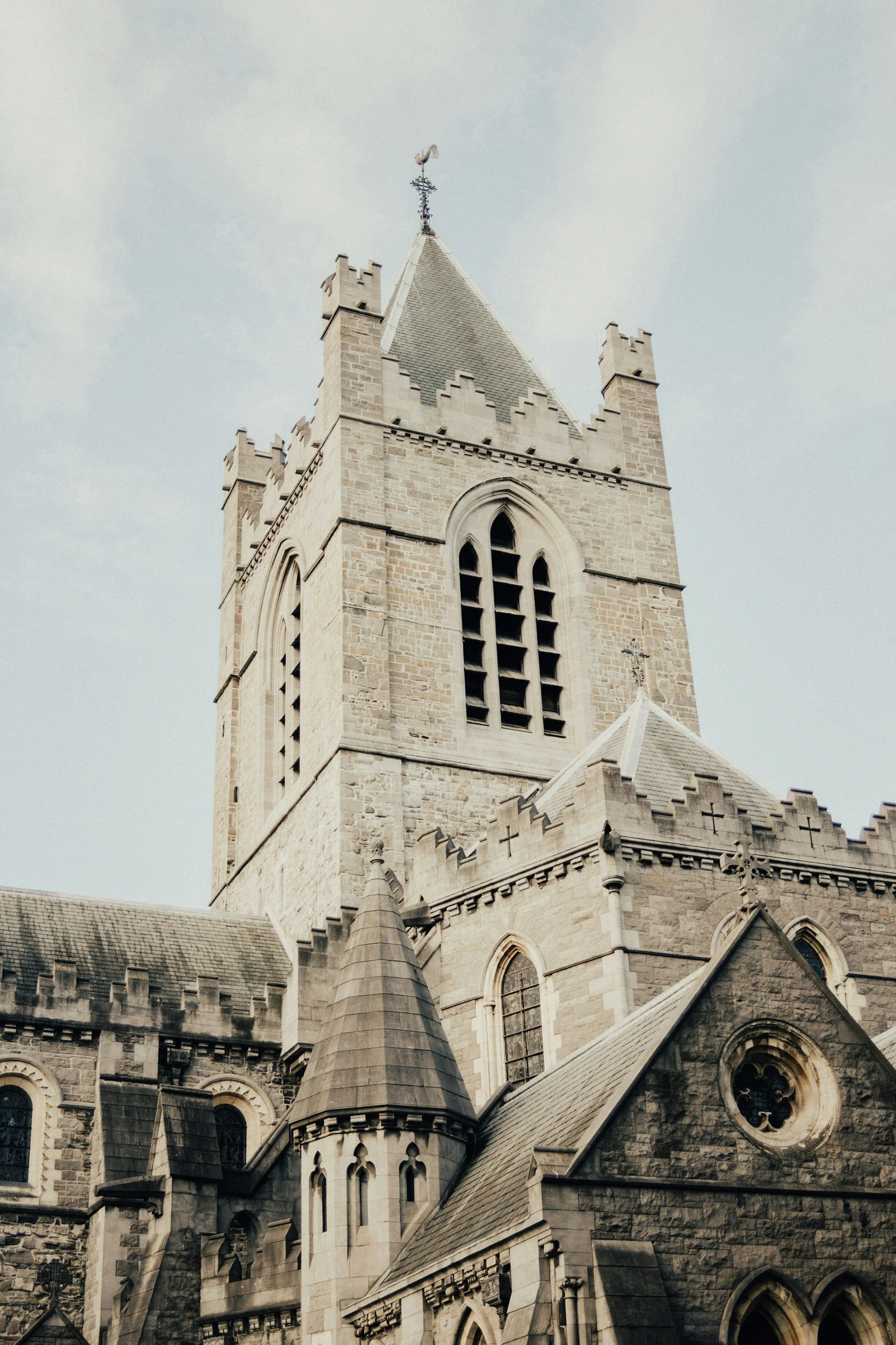
Religion Information
Depending on your religious background there are many independent sites available that are tailored specifically to your religion.
However, if your religion is other than Catholic you may find local churches have the contact of your ancestor’s church available to you.
Graveyard Information
We encourage you to dive further into your Irish Heritage and reccommend investigating Irish Graveyards
A huge amount of work has been done with old Irish Graveyards and it is worth finding out more.
General Information:
99% of Catholics were buried only in Catholic graveyards after 1858
Prior to 1858 there is a good possibility that they could be buried in Protestant graveyards depending on their status in the community.
Quakers and Jews also have their own graveyards.
Presbyterian, Methodist, Church of England are all buried in Protestant graveyards.
Military Archives
There are military archives available although anyone born before 1922 could be viewed as being English and be members of the British army instead.
People killed in WW1 may need to check out Kew and Military Archives in England.
DNA tests are also recommended as some of the genealogical heritage sites can link you with family across the world.
However, without paperwork to prove lineage it would be advisable not to turn up cold to someone's door.

Your Family Tree:
Church Records
Discovering Family Connections Through Church Records
Before official civil registration became widespread, churches were often where the important moments in a person's life were recorded.
For anyone tracing Irish or Northern Irish ancestry, church records can provide valuable clues about births, baptisms, marriages, deaths, and burials. In some cases, these records can take your family story back generations beyond the information available through modern certificates.
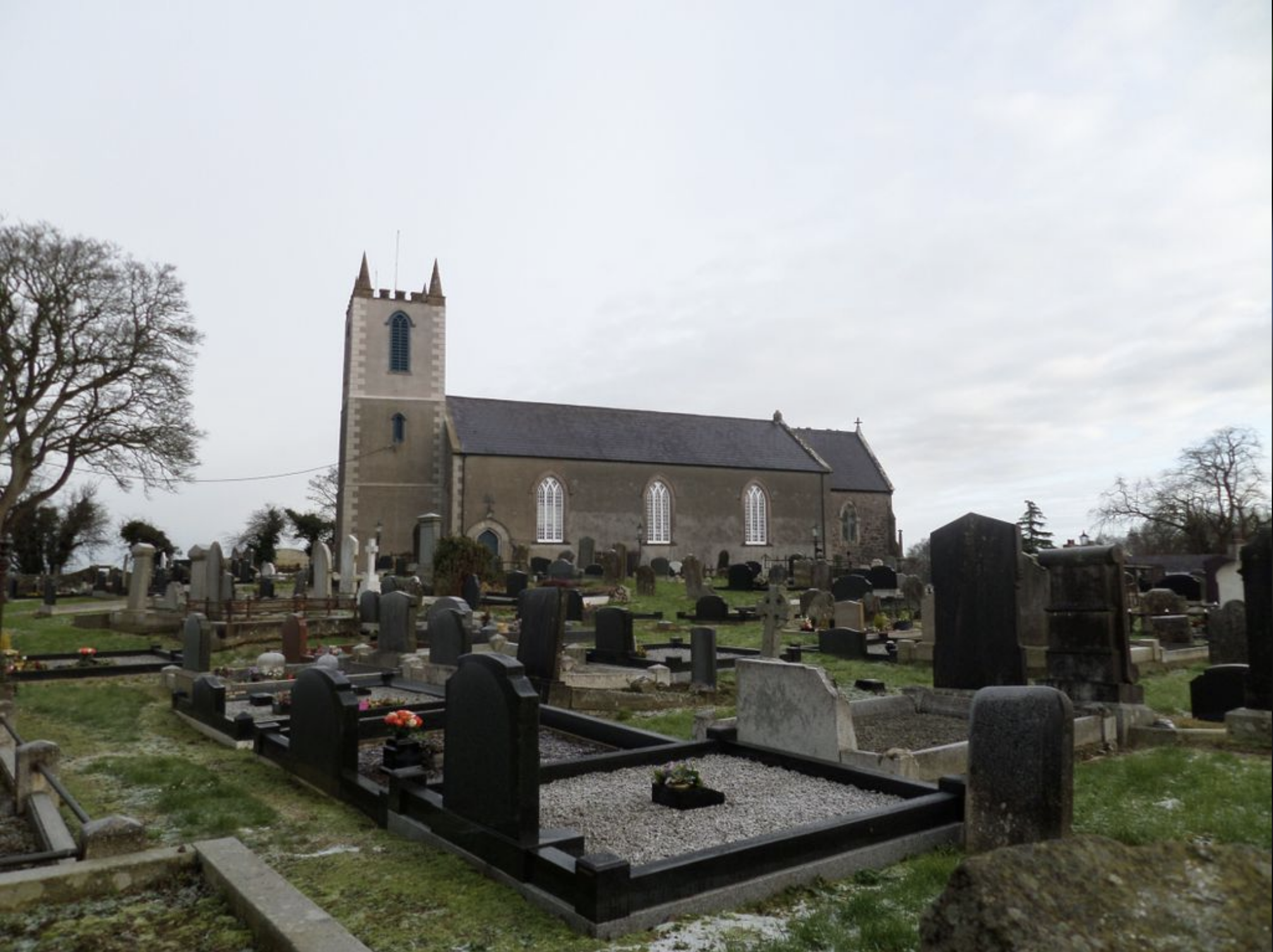
Image: St. Aidan’s Parish of Kilmore Church of Ireland Graveyard, County Armagh. Source: Find a Grave.Why Are They Important for Family History?
Church records become particularly valuable when your research reaches a period before civil birth, marriage, and death records are available.
Different religious communities maintained their own records, including the Church of Ireland, Roman Catholic, Presbyterian, Methodist, Quaker, Moravian, Baptist, and other denominations.
The dates and details available vary considerably. Some collections stretch back centuries, while others begin much later, and not every historical register has survived.
This means finding your ancestor may require looking beyond one church or one type of record.
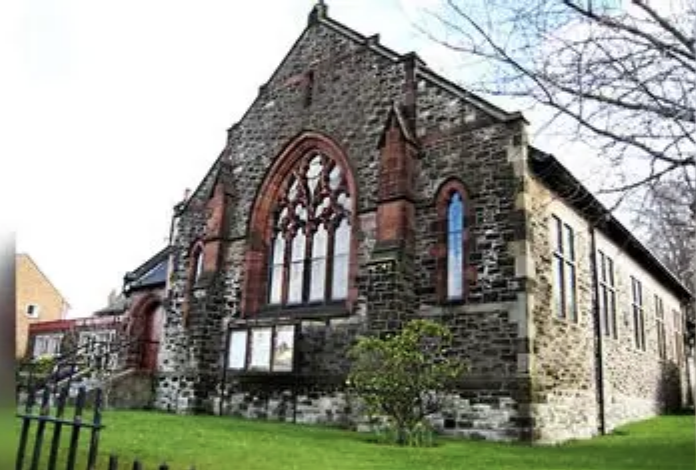
Baptism Register, Ballymacnab, County Armagh. Image courtesy of Irish Heritage News.What Can Church Records Tell You?
A church register may reveal much more than a date. Depending on the church, denomination, and time period, records may include an ancestor's name, parents, spouse, residence, parish, or other family connections. This can help you connect one generation to another and, importantly, associate your family with a particular parish or local community in Ireland.
Church records may include:
Baptisms • Marriages • Burials • Family relationships • Residences • Parish connections
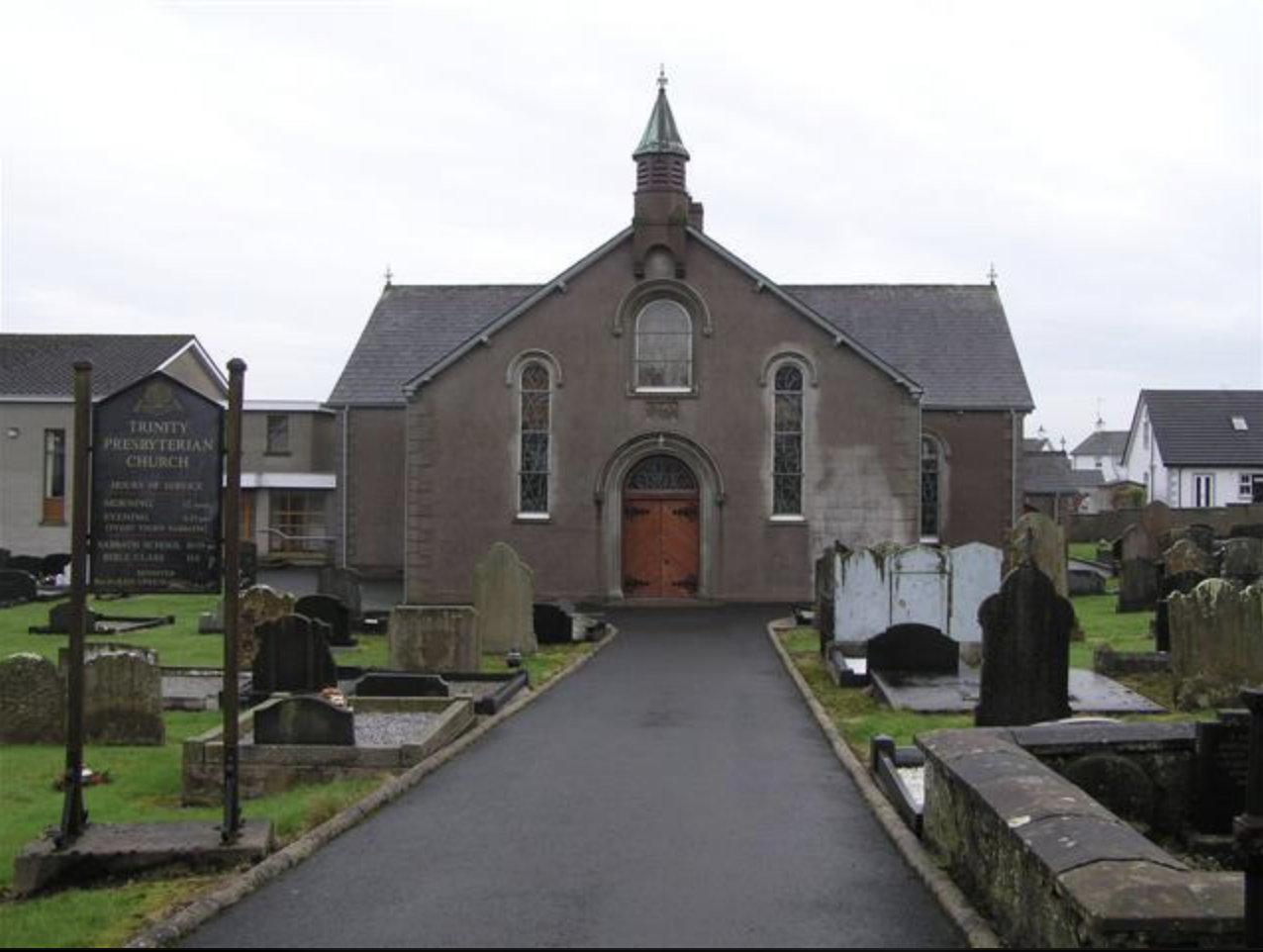
Image: Trinity Presbyterian Church, Ahoghill, County Antrim. Source: Geograph Ireland.If you know the county, town, parish, or townland where your family lived, you already have an important starting point.
Combine that location with a family surname, approximate date, and, where known, religious denomination. From there, you can begin identifying churches and surviving records associated with that community.
Sometimes a single baptism or marriage entry can provide the clue that connects several generations of a family.
Start With a Place
When You Can't Find a Record
Not finding your ancestor immediately doesn't mean their story ends there.
Historical church records are spread across different archives, churches, and collections, and some records have been lost over time. Names may also appear with different spellings, dates may be approximate, and families sometimes attended churches outside their immediate area.
Family-history research often means following several small clues until they begin to connect.
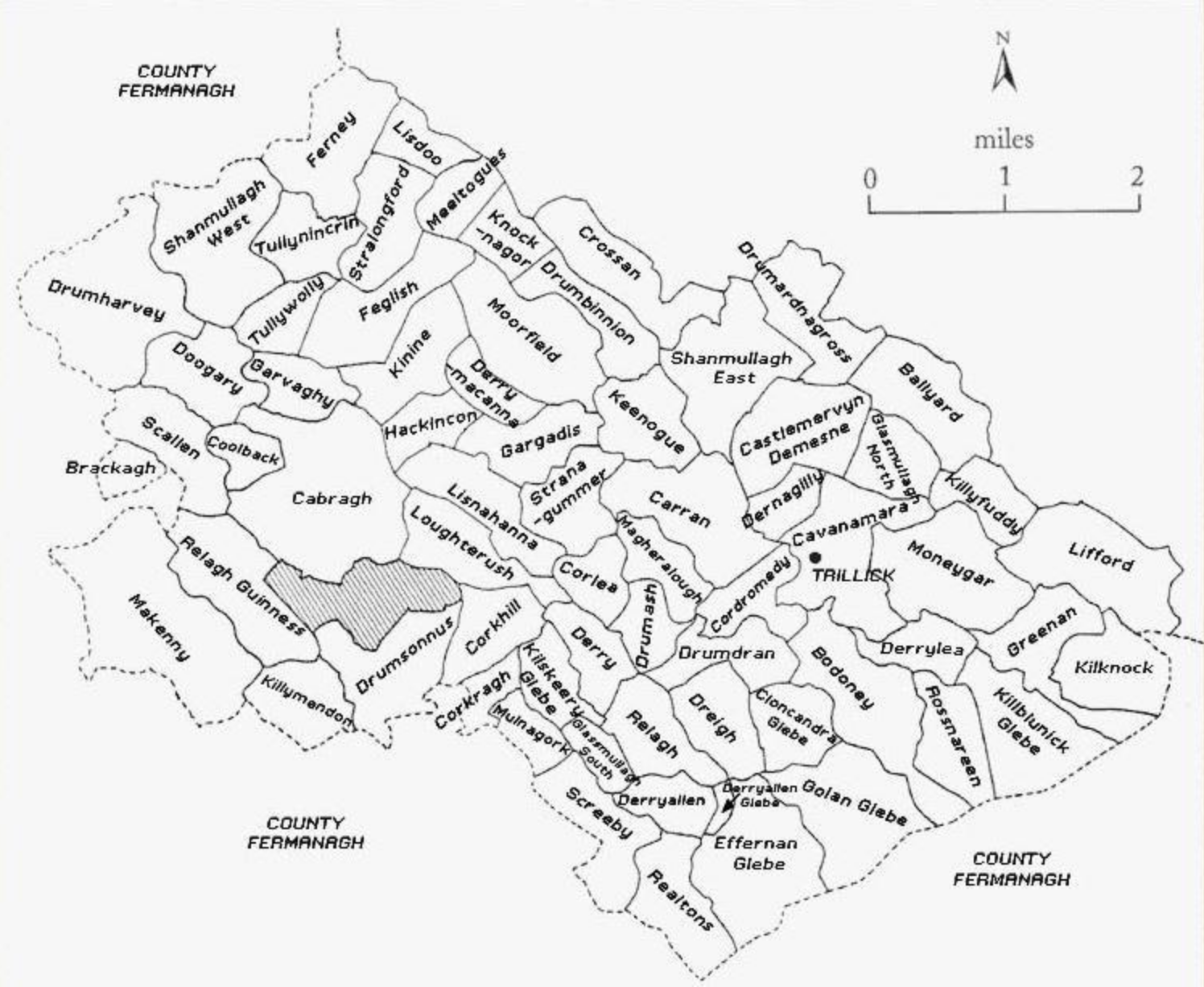
Image: Townlands of Kilskerry Parish, County Tyrone. Source: Forgotten Journeys.Your Family Tree:
Tithe Records
Finding Your Ancestors Through Land and Place
Sometimes the strongest clue to your family story is not a birth certificate or photograph, it is the land your ancestors lived and worked on.
Tithe records can be particularly useful for tracing families in Ireland during the early 19th century. They can connect a person's name with a specific townland, parish, and piece of land, helping you understand not only who your ancestors were but also where they lived.
During the 19th century, payments known as tithes were connected to the support of the established Church of Ireland.
The Tithe Composition Applotment Books, mainly covering the period from 1823 to 1837, recorded information used to calculate these payments.
For family historians today, their real value lies in the names and places recorded along the way.
What Were Tithe Records?
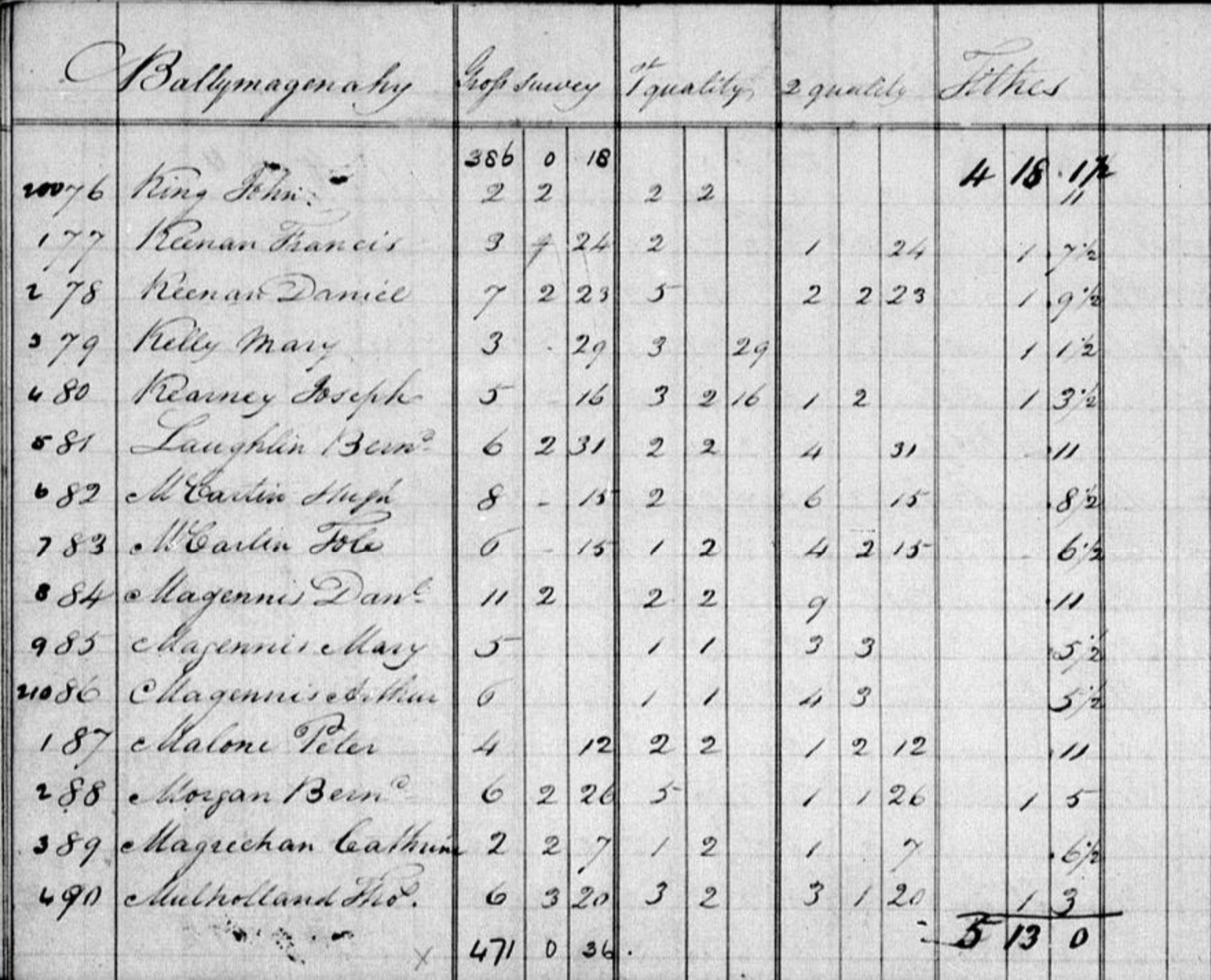
Depending on the surviving record, you may find:
Names of occupiers • Townlands • Parishes • Landholdings • Acreage • Land quality • Tithe payments
This can help place an ancestor within a very specific local landscape. If you already know a family surname and approximate area, a tithe record may help narrow your search from a county to a parish or even an individual townland.
What Can You Discover?
Why Are Tithe Records Useful for Family History?
The early 1800s can be a challenging period for Irish family-history research.
Many records from this period are incomplete or no longer survive. Tithe records therefore provide another way of identifying people living in rural communities before the Great Irish Famine and the large waves of emigration that followed.
They can be especially useful when combined with church records, later land valuations, census information, and other local sources.
Tithe records were created for land assessment rather than genealogy, so they do not represent every person who lived in an area.
Some properties were excluded, larger towns and cities may not appear, and place names were not always recorded in the same way they are today. Historical parish and townland boundaries may also have changed.
For that reason, a missing name does not necessarily mean your family was not living there.
Understanding the Limitations
Finding an ancestor's name is one part of family history.
Finding the townland where they lived can open an entirely new chapter. That place can lead you towards local churches, neighboring families, land records, and other sources, gradually turning a surname on a page into a clearer picture of your family's life in Ireland.
From a Name to a Place
Let’s Connect
Interested in a Genealogical Session Consultant Call? Fill in your inquiry form here, and we promise to get back to you within 24 hours.
For inquiries about our Specialist Tours, please contact us at
thecelticwaytours@gmail.com
+61401288056.
We strive to respond as quickly as possible to all queries.