Discover your Irish Heritage!

Discover your Irish Heritage!
Cobh: The Harbour Where Irish Families Said Goodbye
Stephanie Woollard Stephanie Woollard

Cobh: The Harbour Where Irish Families Said Goodbye

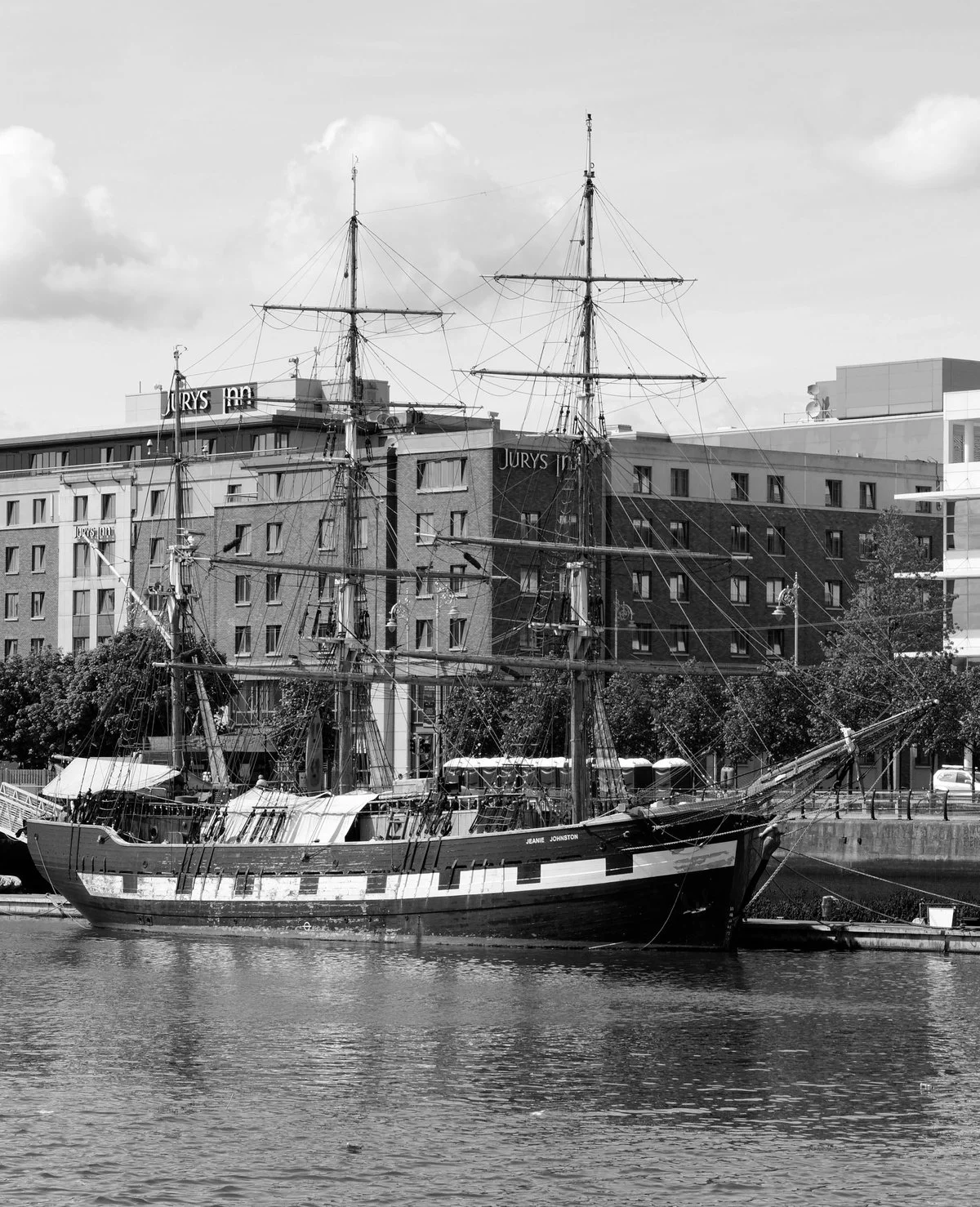
Cobh is one of those places where the past feels close.

The harbour is beautiful, but its beauty carries emotion. For many Irish families, this was the final view of Ireland before a long journey across the sea.

They left with bags, letters, prayers, names, and memories.

Some never returned.

Read More
How the Irish Language Revival Helped Rebuild National Identity
Stephanie Woollard Stephanie Woollard

How the Irish Language Revival Helped Rebuild National Identity

A language can disappear quietly.

It can fade from homes, schools, songs, signs, and conversations. But when a language is revived, something powerful happens. A people begin to recover not only words, but memory.

The Irish language revival was one of the most important cultural movements in modern Irish history. It was not only about grammar or vocabulary. It was about identity.

Read More
The Flight of the Earls and the End of Gaelic Ireland
Stephanie Woollard Stephanie Woollard

The Flight of the Earls and the End of Gaelic Ireland

Some departures change a family. Others change a nation.

The Flight of the Earls in 1607 was one of those departures. When Hugh O’Neill and Rory O’Donnell left Ireland with their followers, they were not simply leaving home. They were leaving behind a world that was already under pressure: the world of Gaelic Ireland.

Their departure has become one of the most symbolic moments in Irish history. It is remembered not only as a political event, but as an emotional story of exile, loss, and cultural change.

Read More
The People Behind the Irish Village
Stephanie Woollard Stephanie Woollard

The People Behind the Irish Village

Ireland and Scotland are often seen as two separate destinations, each with its own landscapes, history, and cultural identity. Yet beneath the surface, they share deep Celtic connections. One of the most meaningful links between them is language.

The Gaelic languages of Ireland and Scotland are not simply old forms of speech. They are living connections to memory, place, identity, music, storytelling, and community. For travellers interested in heritage, exploring Gaelic culture across Ireland and Scotland offers a deeper way to understand both countries.

Read More
How Irish Families Preserved Faith and Identity Under the Penal Laws
Stephanie Woollard Stephanie Woollard

How Irish Families Preserved Faith and Identity Under the Penal Laws

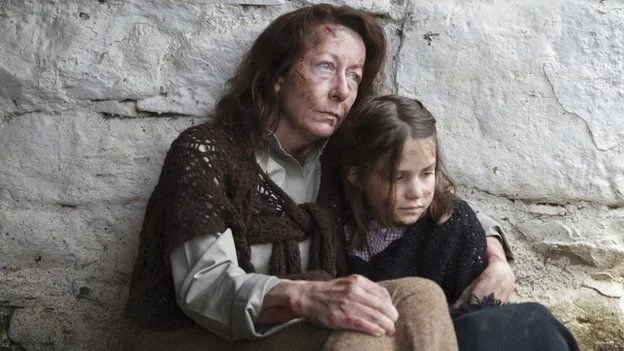
Some histories are remembered not through monuments, but through endurance.

The era of the Irish Penal Laws is one of those histories. It was a time when many Irish Catholics faced restrictions that affected worship, education, property, public life, and family opportunity. These laws were not only political rules. They shaped everyday lives.

To understand this period is to understand how Irish families preserved faith, identity, and belonging under pressure.

Read More
How the Gaelic Language Connects Irish and Scottish Identity
Stephanie Woollard Stephanie Woollard

How the Gaelic Language Connects Irish and Scottish Identity

Some connections between countries are written in history books. Others are carried in language.

Ireland and Scotland are separated by sea, but for centuries that sea did not simply divide them. It also connected them. People moved between the north of Ireland and the west of Scotland, bringing with them language, stories, songs, beliefs, family ties, and ways of seeing the world.

Read More
Connemara and the Living Memory of the West of Ireland
Stephanie Woollard Stephanie Woollard

Connemara and the Living Memory of the West of Ireland

In the west of Ireland, Connemara stretches across mountains, lakes, bogland, stone walls, and Atlantic coastline. It is a place where the landscape feels open and ancient, but also deeply human. Every road, field, and shoreline seems to carry a story.

For many people, Connemara represents a more emotional side of Ireland. It is not only beautiful. It feels rooted.

Read More
The Women Who Kept Irish Memory Alive
Stephanie Woollard Stephanie Woollard

The Women Who Kept Irish Memory Alive

Some histories are written in books. Others are carried quietly through families.

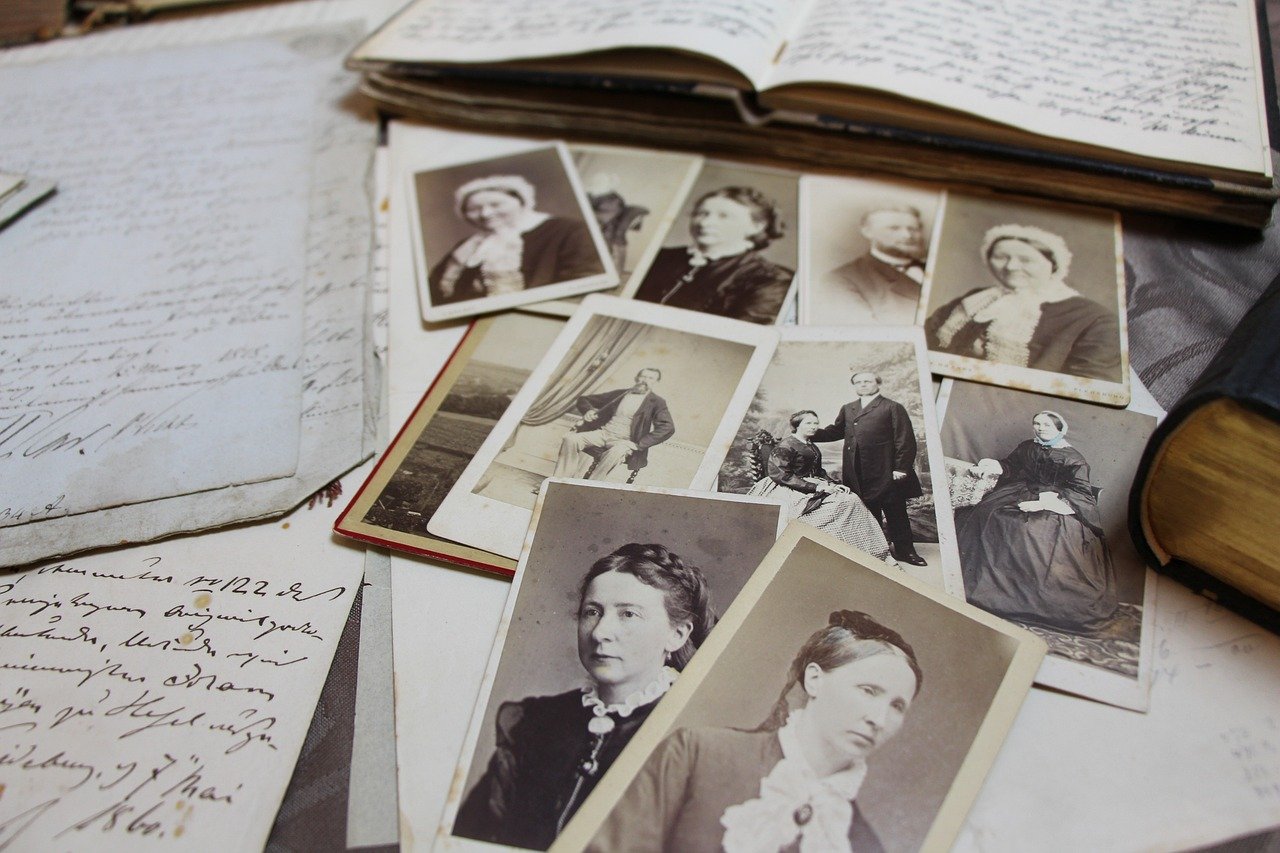
In Irish heritage, women have often been the keepers of memory. They carried stories, songs, prayers, recipes, names, photographs, letters, and traditions from one generation to the next. Their work was not always recorded in official histories, but without them, much of Irish cultural memory would have disappeared.

To understand Irish heritage properly, we need to look not only at famous leaders and public events, but also at the women who held families and communities together.

Read More
Benbulbin, Yeats, and the Mythic Landscape of Sligo
Stephanie Woollard Stephanie Woollard

Benbulbin, Yeats, and the Mythic Landscape of Sligo

Some mountains are more than mountains.

Benbulbin is one of them.

Rising over County Sligo with its unmistakable flat-topped shape, Benbulbin feels almost symbolic. It watches over the landscape like a presence from an older world. For many visitors, it is not only impressive because of its size or shape. It is impressive because of the stories attached to it.

Benbulbin belongs to the world of poetry, folklore, memory, and Irish imagination.

Read More
Kylemore Abbey: Love, Loss, Faith, and Irish Heritage
Stephanie Woollard Stephanie Woollard

Kylemore Abbey: Love, Loss, Faith, and Irish Heritage

Kylemore Abbey looks like something from a story.

Set beside a lake in Connemara, with mountains rising behind it, the abbey seems to belong perfectly to the landscape. Yet what makes Kylemore powerful is not only its beauty. It is the emotional history held within its walls.

This is a place of love, loss, faith, education, and resilience.

Read More
Clonmacnoise: Early Christian Ireland, Learning, and Spiritual Legacy
Stephanie Woollard Stephanie Woollard

Clonmacnoise: Early Christian Ireland, Learning, and Spiritual Legacy

Set beside the River Shannon, Clonmacnoise is one of Ireland’s most atmospheric early Christian sites. For travellers, it offers more than ruins or historic stonework. It creates a strong sense of stepping into the spiritual and cultural world of early Ireland.

Founded in 544 AD by Saint Ciarán, Clonmacnoise grew from a monastery into one of the most important centres of faith, learning, craftsmanship, and community in Ireland. Its location helped shape its importance. Sitting near ancient land and river routes, it became a meeting point for monks, pilgrims, scholars, and travellers.

Read More
St Patrick, County Down and Armagh: The Roots of Ireland’s Christian Heritage
Stephanie Woollard Stephanie Woollard

St Patrick, County Down and Armagh: The Roots of Ireland’s Christian Heritage

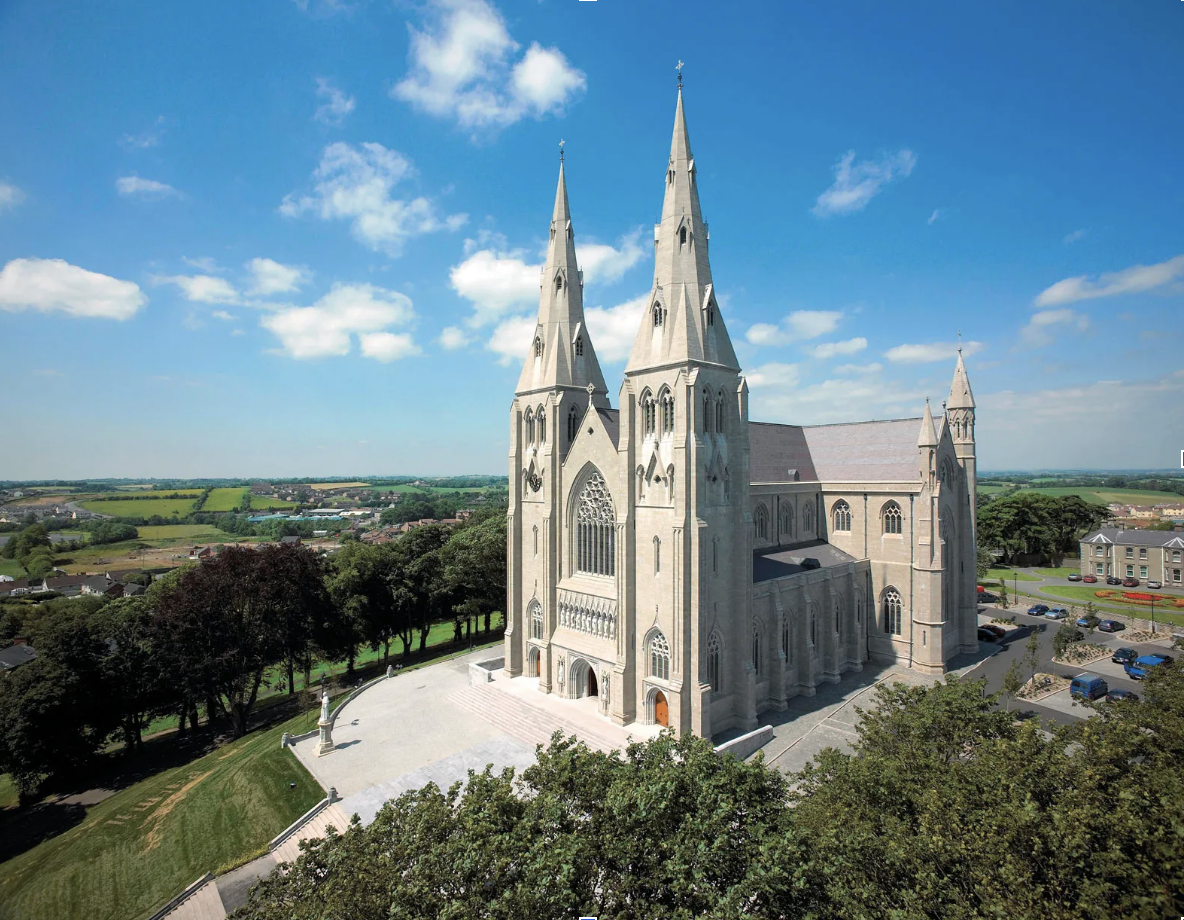
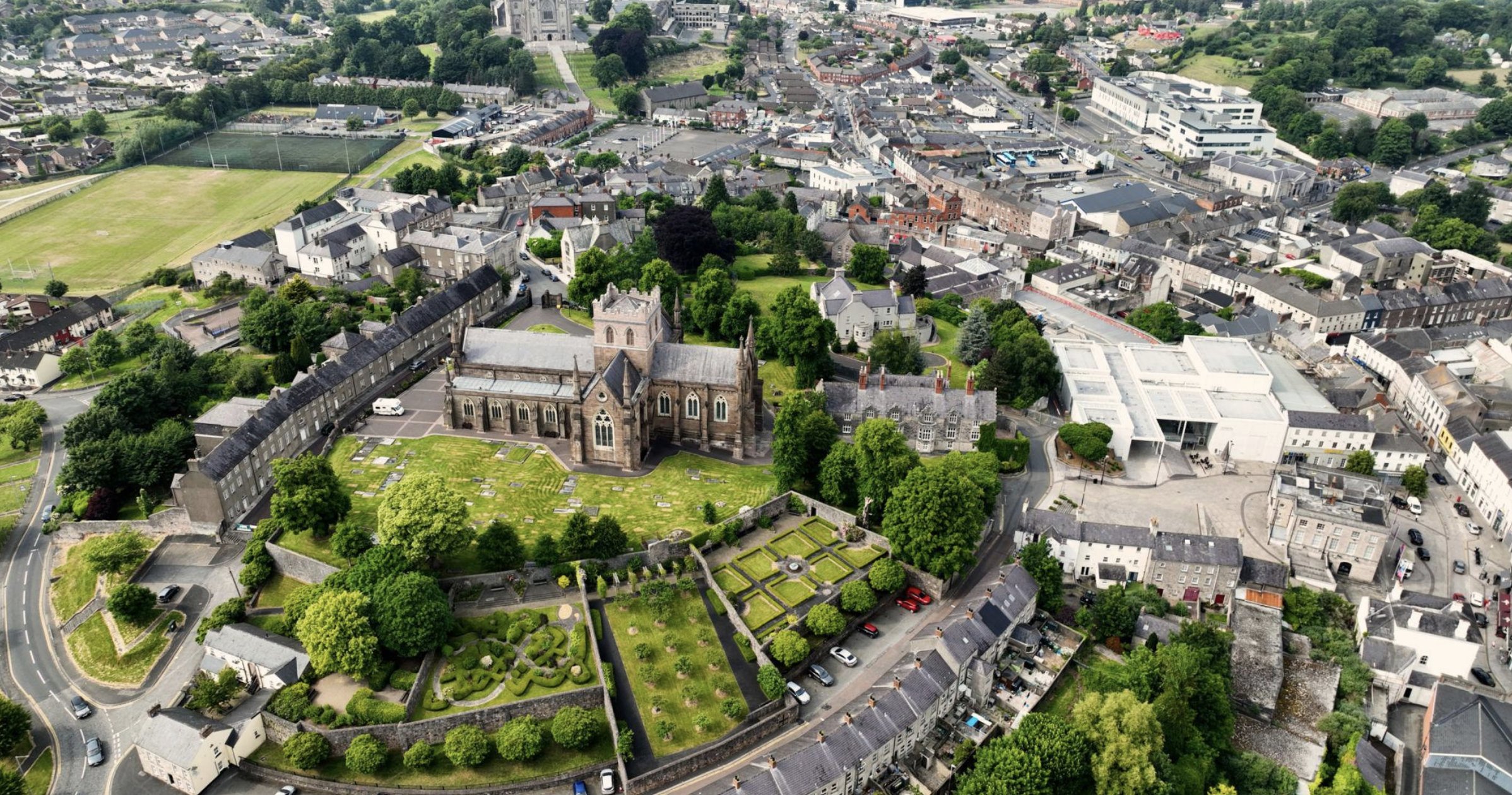
St Patrick is one of the most important figures in Irish history, yet his story is often simplified into symbols: shamrocks, parades, and St Patrick’s Day celebrations. These symbols are important, but they only tell part of the story. To understand Patrick’s deeper legacy, it is necessary to look at the places most closely connected to his life and mission, especially County Down and Armagh.

Tradition holds that St Patrick is buried at Down Cathedral in County Down. His grave is marked by a simple stone, creating a place of quiet reflection rather than spectacle. This simplicity gives the site much of its meaning. It reminds us that Patrick’s story was not only legendary or symbolic, but deeply human.

Read More
The Homeless Jesus and Christ Church Cathedral: Faith, Compassion, and Dublin’s Spiritual Heritage
Stephanie Woollard Stephanie Woollard

The Homeless Jesus and Christ Church Cathedral: Faith, Compassion, and Dublin’s Spiritual Heritage

The Homeless Jesus sculpture and Christ Church Cathedral together reveal two powerful sides of Dublin’s religious heritage: the long history of institutional faith and the living call to compassion.

The Homeless Jesus sculpture, created by Canadian artist Timothy Schmalz, depicts a figure sleeping on a bench, covered by a blanket. The face is hidden, and the figure is only identified by the wounds in the feet. Its message is simple but confronting: faith must be seen in how we respond to the vulnerable, the poor, and the forgotten.

This message draws from the Gospel of Matthew, where care for “the least of these” is presented as service to Christ himself. In this way, the sculpture turns a public space into a place of reflection.

Read More
C.S. Lewis: Walking Through the World That Inspired Narnia
Stephanie Woollard Stephanie Woollard

C.S. Lewis: Walking Through the World That Inspired Narnia

Few writers have shaped both Christian thought and imagination quite like C.S. Lewis. Best known for The Chronicles of Narnia, he was not only a storyteller but also one of the most influential Christian thinkers of the 20th century.

Read More
The Book of Kells: Faith, Art, and Ireland’s Enduring Spirit
Stephanie Woollard Stephanie Woollard

The Book of Kells: Faith, Art, and Ireland’s Enduring Spirit

The Book of Kells is one of the most important cultural and spiritual treasures in Irish history. Created around the 9th century by Celtic monks, it offers a remarkable insight into early Christian Ireland, monastic learning, and the artistic traditions of the Celtic world.

The manuscript contains the four Gospels of the New Testament, but its significance lies not only in its religious text. Its pages are richly decorated with intricate patterns, vibrant colours, Celtic knots, animals, and symbolic imagery. These designs reflect a world where faith, scholarship, and creativity were deeply connected.

Read More
Scotland and Ireland: Shared Resistance, Celtic Identity, and Historical Connection
Stephanie Woollard Stephanie Woollard

Scotland and Ireland: Shared Resistance, Celtic Identity, and Historical Connection

Although Scotland and Ireland are distinct nations, their histories are closely connected. Both have been shaped by resistance, cultural identity, and complex relationships with English power.

For centuries, Scotland and Ireland experienced different forms of English expansion and control. These pressures contributed to conflict, rebellion, and cultural suppression, but they also strengthened ideas of identity and resilience.

Read More
Scottish Clans and the Meaning of Identity, Loyalty, and Legacy
Stephanie Woollard Stephanie Woollard

Scottish Clans and the Meaning of Identity, Loyalty, and Legacy

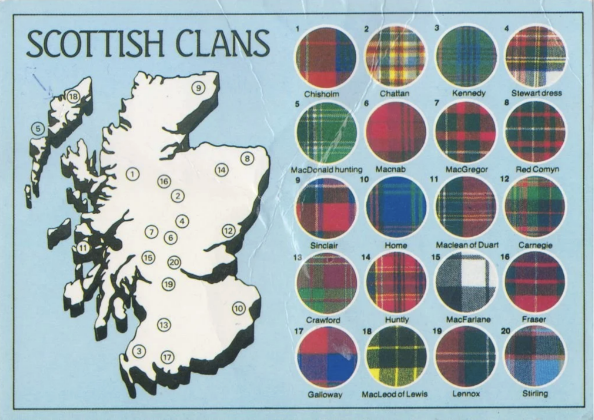
The history of Scotland cannot be fully understood without the clans. For centuries, clans shaped social life, identity, and belonging, especially in the Highlands.

A clan was far more than a family name. It was a community built around loyalty, land, protection, and shared identity. The word clan comes from the Gaelic clann, meaning children or family, but membership could also include people connected through allegiance rather than blood.

Read More
Glenmask and the Quiet Heritage of County Mayo
Stephanie Woollard Stephanie Woollard

Glenmask and the Quiet Heritage of County Mayo

Glenmask may not be one of Ireland’s most widely known places, but that is part of what gives it its heritage value. Quiet townlands and lesser-known areas often reveal something essential about Irish history: that much of family and community life was shaped not in famous centres, but in rural places like this.

Read More
Cliffs of Moher and the Atlantic Edge of Irish Memory
Stephanie Woollard Stephanie Woollard

Cliffs of Moher and the Atlantic Edge of Irish Memory

he Cliffs of Moher are one of Ireland’s most recognisable landscapes, but they are more than a dramatic viewpoint. They also reflect an enduring relationship between people, coast, and place that has shaped life along the Atlantic edge for generations.

Read More
The Burren and the Ancient Character of County Clare
Stephanie Woollard Stephanie Woollard

The Burren and the Ancient Character of County Clare

The Burren is one of Ireland’s most distinctive landscapes, and part of its significance stems from the way it seems to hold both natural and human history in tandem. Located in County Clare, this remarkable karst region is known for its limestone terrain, but it is also a place where traces of settlement, farming, and ancient life are still visible.

What makes the Burren important from a heritage perspective is that it reveals how people lived with a difficult but memorable landscape over many generations. Dry stone walls, old pathways, archaeological remains, and long-standing patterns of land use all show that this is not an empty wilderness. It is a cultural landscape shaped by human presence over centuries.

Read More