
The Belfast Blitz
Belfast During the Second World War
For families with roots in Belfast, the Second World War was a period that dramatically changed everyday life in the city.
Belfast had initially escaped much of the destruction experienced elsewhere in the United Kingdom. However, its importance as an industrial and maritime center made it vulnerable to German air attacks. The city was home to major shipbuilding, aircraft, and manufacturing industries, as well as an important harbor.
That vulnerability became devastatingly clear in 1941.
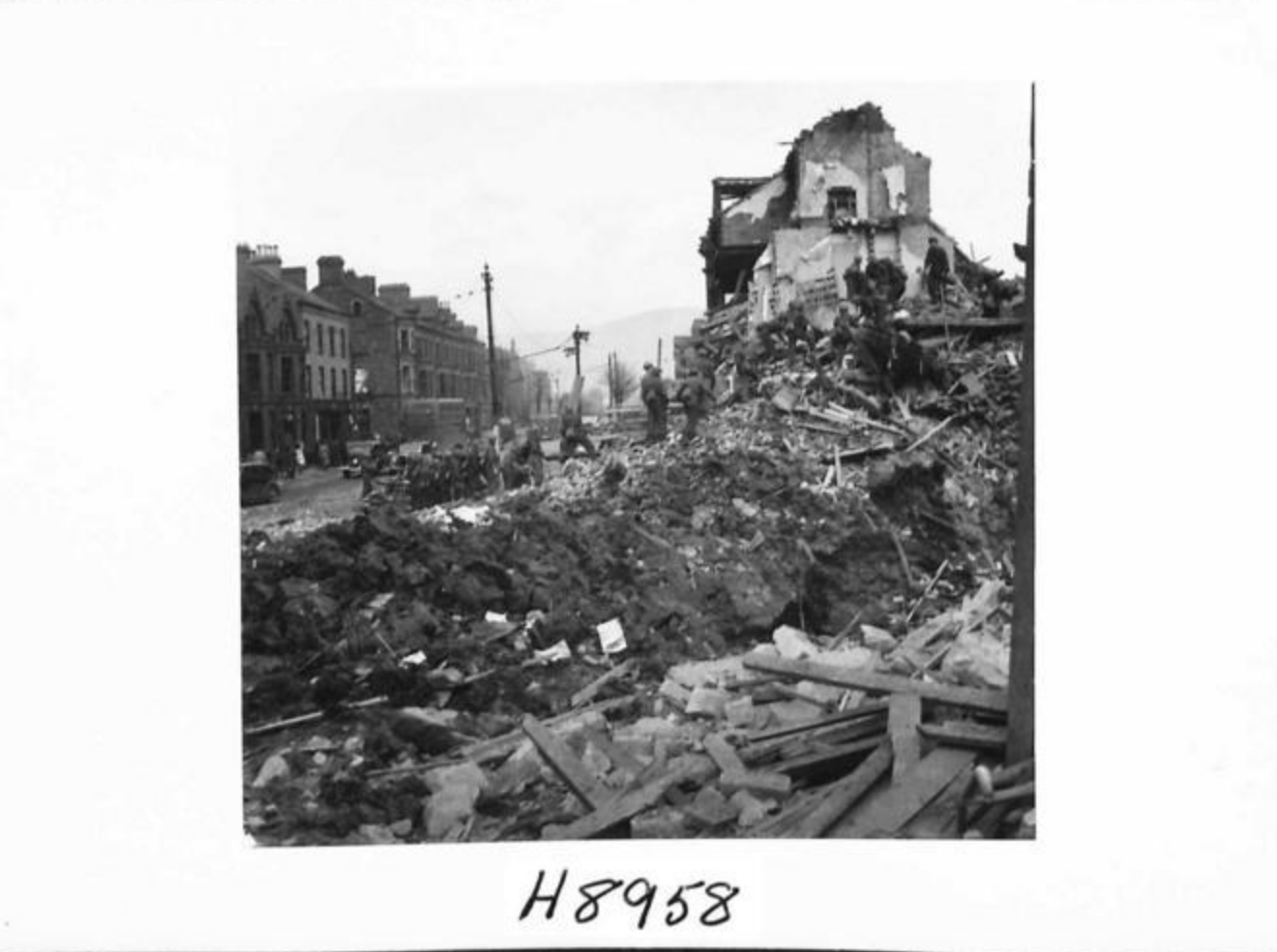
Belfast experienced several major German air raids during April and May 1941. An initial raid on 7–8 April caused damage around the docks and the Harland and Wolff shipyard.
A much larger attack followed on the night of 15–16 April, known as the Easter Tuesday Raid. German bombers attacked Belfast for several hours, causing widespread destruction across residential and industrial areas.
More than 900 people were killed during this raid alone, making it one of the deadliest air raids experienced by any British city outside London during the Second World War.
Further attacks followed in early May, with areas around the harbor, shipyards, and the aircraft industry among the targets. Homes and businesses were also badly damaged.
The Air Raids of 1941
For family-history researchers, the Belfast Blitz is more than an event in a history book. It was something experienced by ordinary families.
People lost relatives, homes, and possessions. Others volunteered in civil defense, emergency services and organizations such as the Air Raid Precautions services and Women’s Voluntary Service.
Families were displaced, neighborhoods changed, and wartime experiences became stories passed from one generation to another.
If your ancestors lived in Belfast during this period, understanding the Blitz can provide important context for the world in which they lived.
A family address, photograph, letter, or story from 1941 may connect to a much wider chapter in Belfast’s history.
More Than a Wartime Event
Family history is not only about discovering names and dates. Understanding events such as the Belfast Blitz can help explain what your relatives experienced, how their communities changed, and why families may have moved or made important decisions.
Sometimes discovering your family story also means discovering the history happening around them.
Putting Your Family Story Into Context
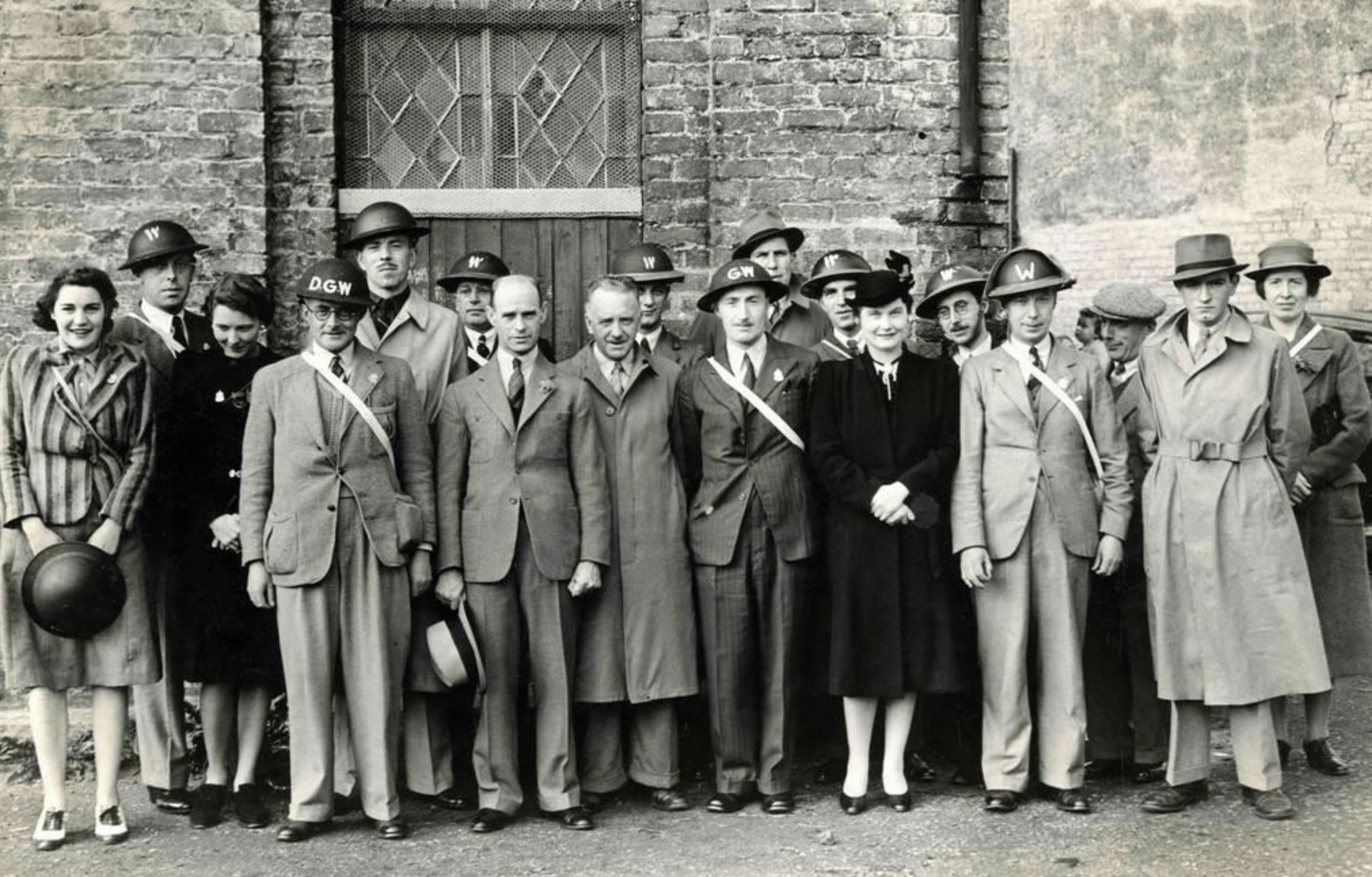
Image: A.R.P. Staff During the Belfast Blitz, 1941. Source: Public Record Office of Northern Ireland (PRONI).
R.M.S. Titanic
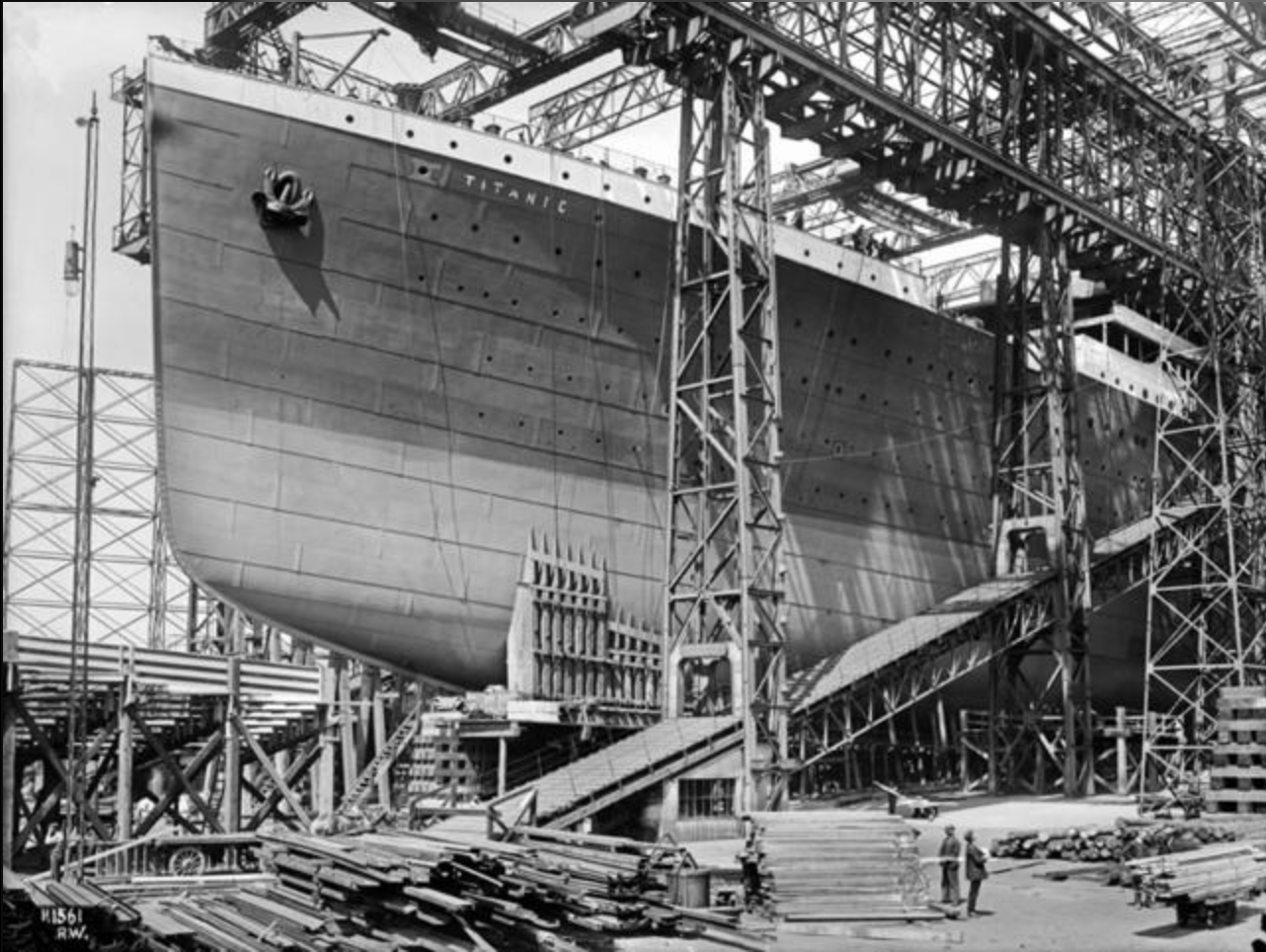
The story of R.M.S. Titanic is known around the world, but its story began in Belfast. Titanic was built by Harland and Wolff at the Queen’s Island shipyard for the White Star Line. At the time, Belfast was one of the world's great centres of shipbuilding, and Titanic represented the scale, ambition and skill of the city's industrial workforce.
The ship was launched in Belfast on 31 May 1911. For Belfast families connected with the shipyard, Titanic was not simply a famous ship. Its construction was part of a much larger working community involving shipbuilders, engineers, designers, tradespeople, and their families.
The Belfast Story Behind Titanic
Titanic and Family History
For people researching Belfast ancestry, Titanic can provide another way of understanding the city their ancestors knew. A relative may have worked at Harland and Wolff, lived near the shipyard, worked in one of Belfast's supporting industries, or known people connected with the construction of the great liners.
Historical collections relating to the Titanic include photographs, newspaper reports, correspondence, crew information, shipping records, and material relating to people involved in her construction.
These records can help turn a famous historical event into something much more personal.
From Belfast to the Atlantic
Titanic began her maiden voyage from Southampton on 10 April 1912, travelling towards New York.
Four days later, shortly before midnight on 14 April, the Titanic struck an iceberg in the North Atlantic. The ship sank in the early hours of 15 April 1912.
More than 1,500 passengers and crew lost their lives, while just over 700 survived.
The disaster became one of the most remembered maritime tragedies in history, but its impact was also deeply personal. Behind the numbers were individual passengers, crew members, shipbuilders, and families whose lives became connected to Titanic's story.
Born between 1940 and 1966?
Your parents, grandparents or great-grandparents may have lived through some of the most important chapters of Irish history.
Take our free 2-minute Irish Family History Quiz and receive a personalised-to-your-answers historical guide exploring what life may have been like for your ancestors, why Irish families emigrated and where you could begin discovering your roots.
Only 2 minutes · Free historical guide · No family documents needed