
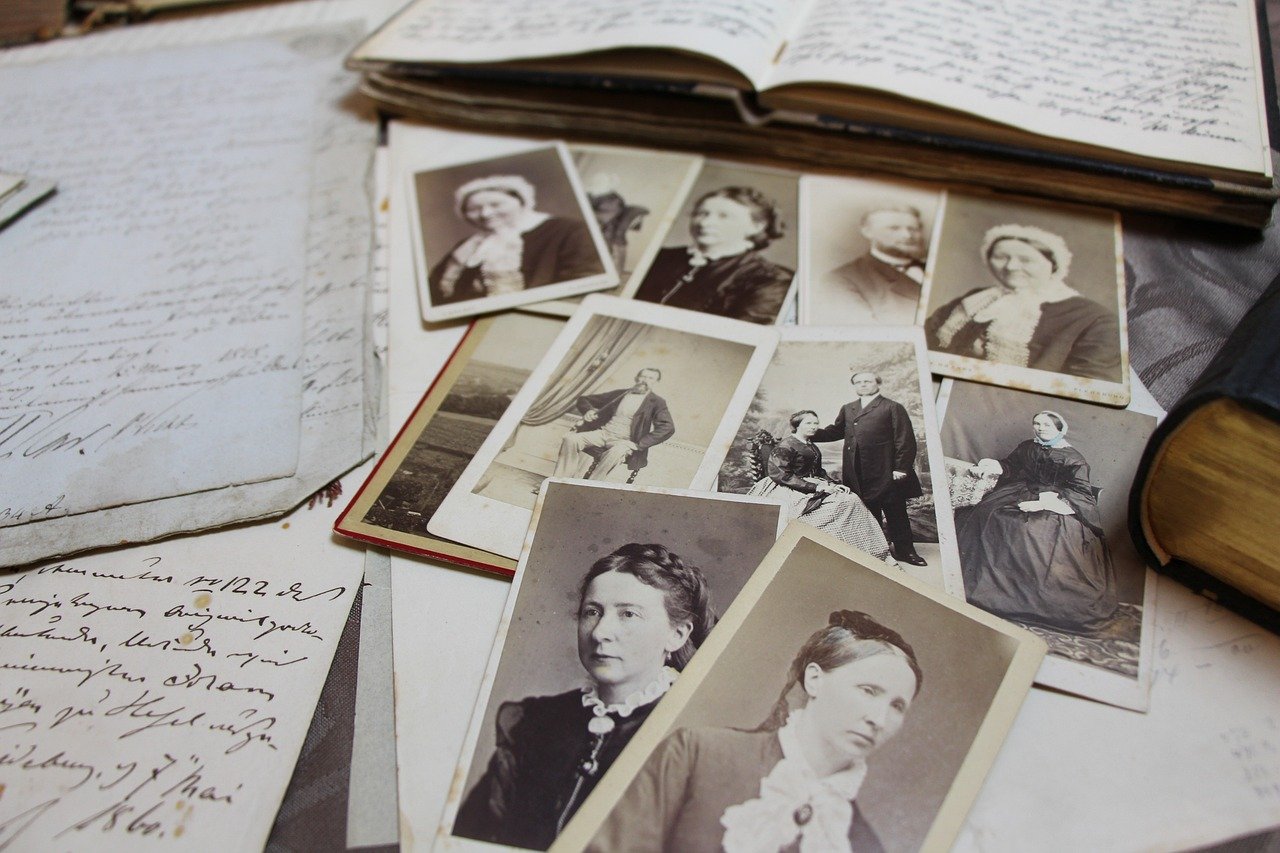
Discover your Irish Heritage!
Discover your Irish Heritage!
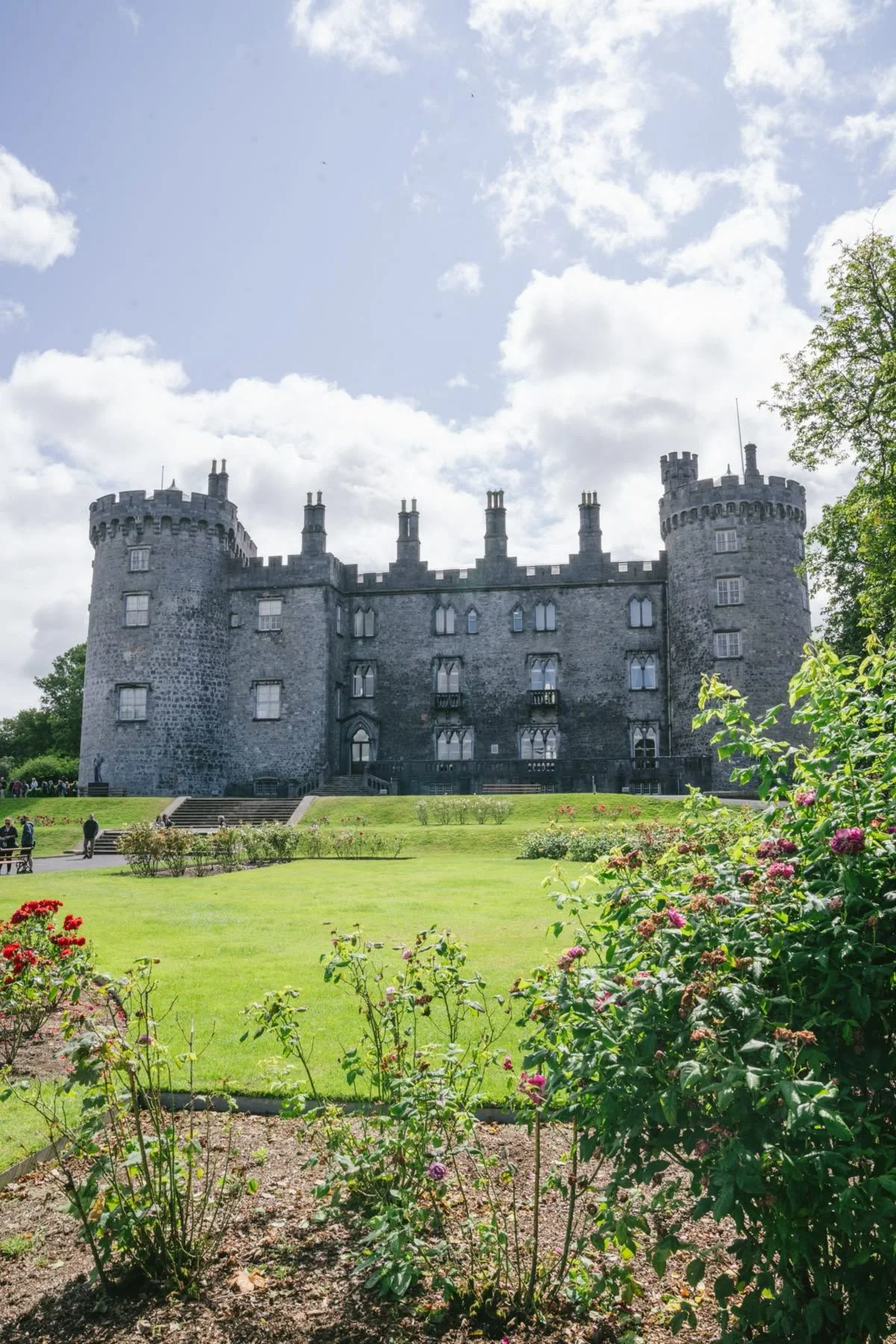
Kilkenny Castle and the Medieval Mile in the Story of Irish Heritage
Kilkenny is one of the clearest places in Ireland to see how medieval history still shapes the present. At the centre of that story are Kilkenny Castle and the Medieval Mile, two connected landmarks that reveal the city’s long relationship with power, religion, trade, and community life. Kilkenny Castle was built in the twelfth century soon after the Norman conquest and later became the principal seat of the Butler family, who shaped the development of Kilkenny for centuries.
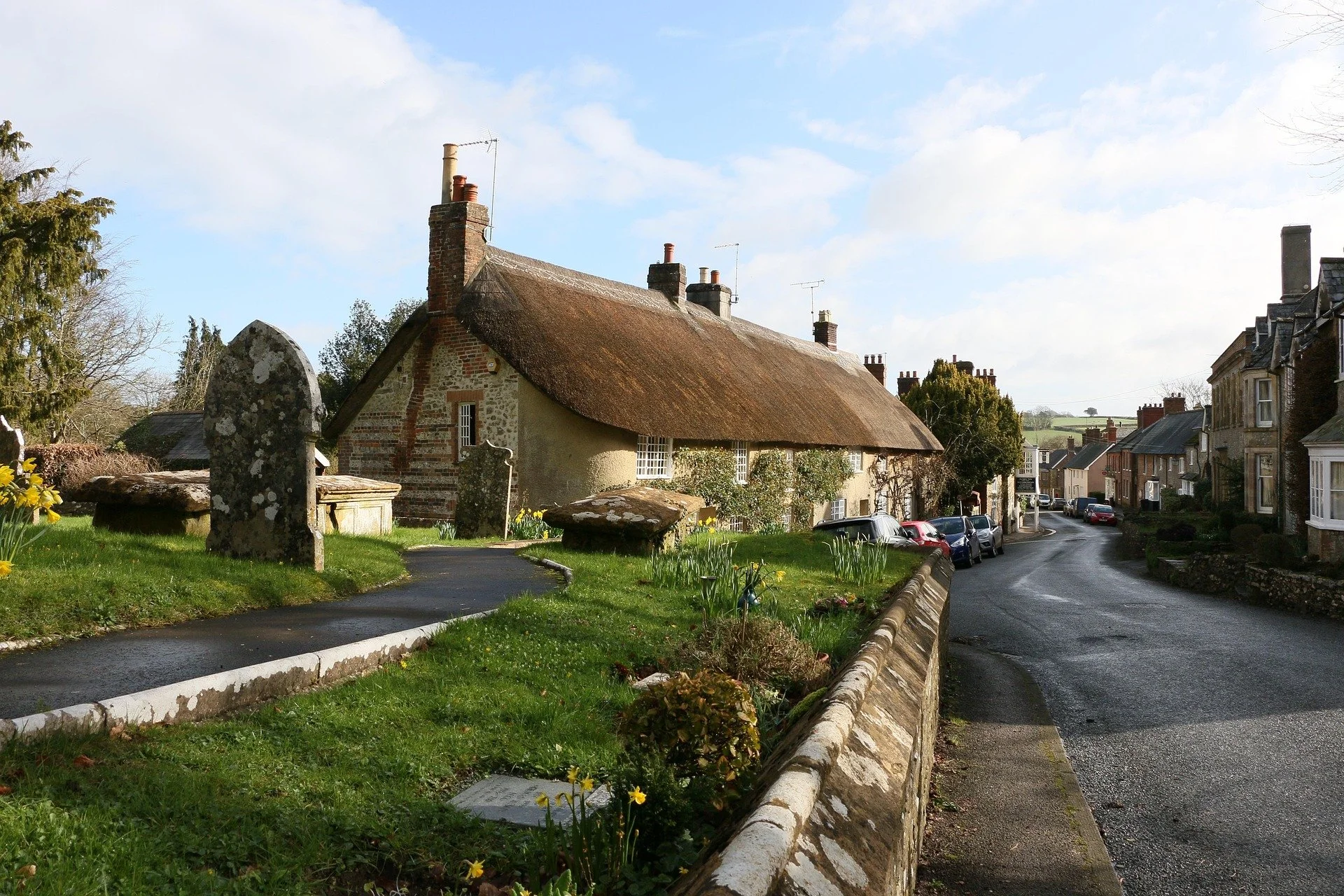
Adare’s Thatched Cottages as a Living Irish Heritage Village
When people think of Adare, they often picture its beautiful thatched cottages stretching along the village’s broad main street. But these cottages are more than one of Ireland’s most photographed village scenes. They are part of the story of how Adare developed, how people lived and worked here, and how heritage can remain visible in everyday life. Adare itself dates back to the 13th century, and its name comes from Áth Dara, meaning “Ford of the Oak,” referring to its position near a crossing point on the River Maigue.
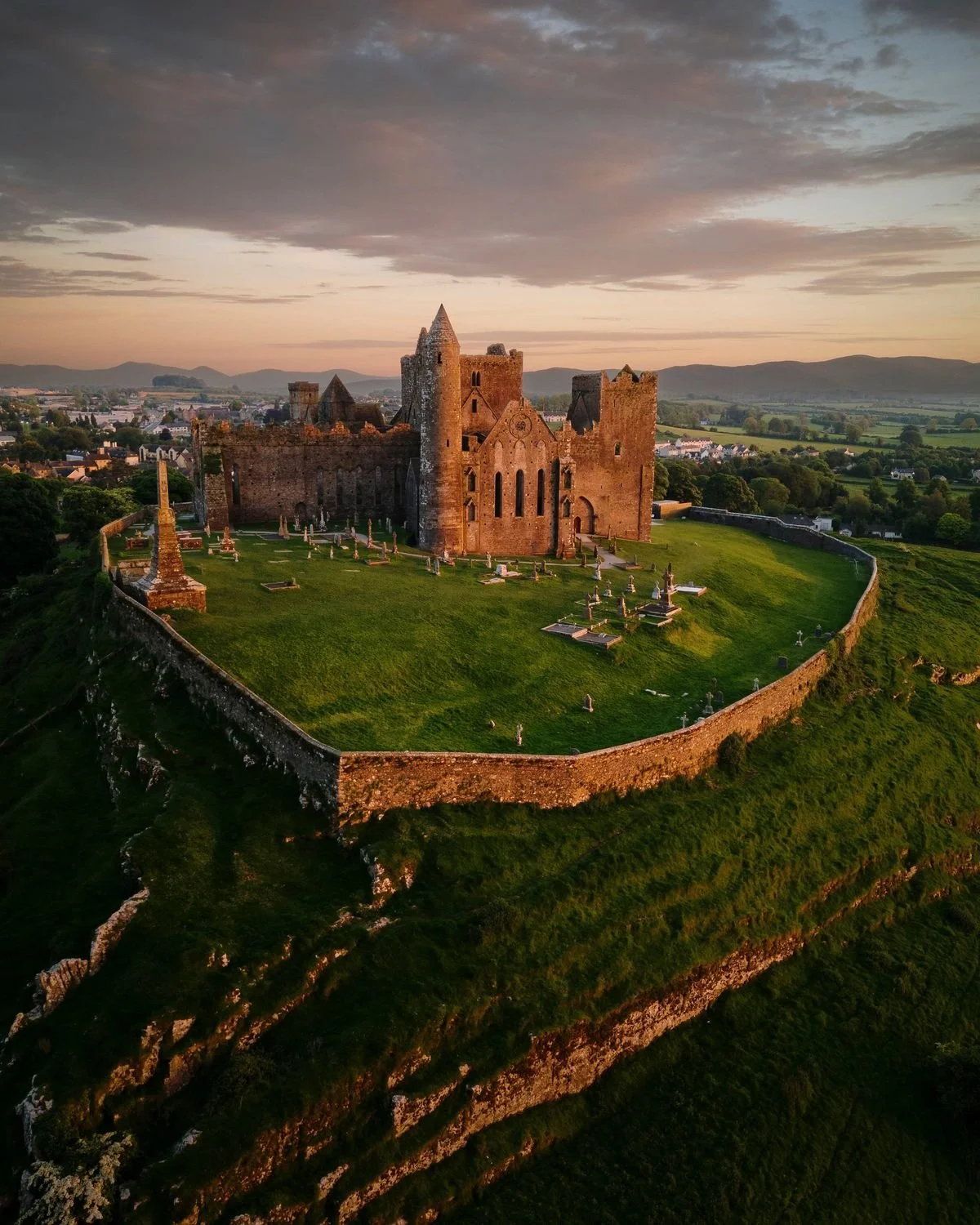
County Tipperary: Family Heritage, Memory, and the Stories That Endure
In this episode of The Celtic Way Podcast Series: Counties of Ireland by Irish Voices, Christina Moloughney shares her connection to County Tipperary as the home of her family heritage. That personal link reflects something many people feel when they explore Irish ancestry: a county is never just a county. It becomes part of family identity, carrying the stories, values, and memories of earlier generations.
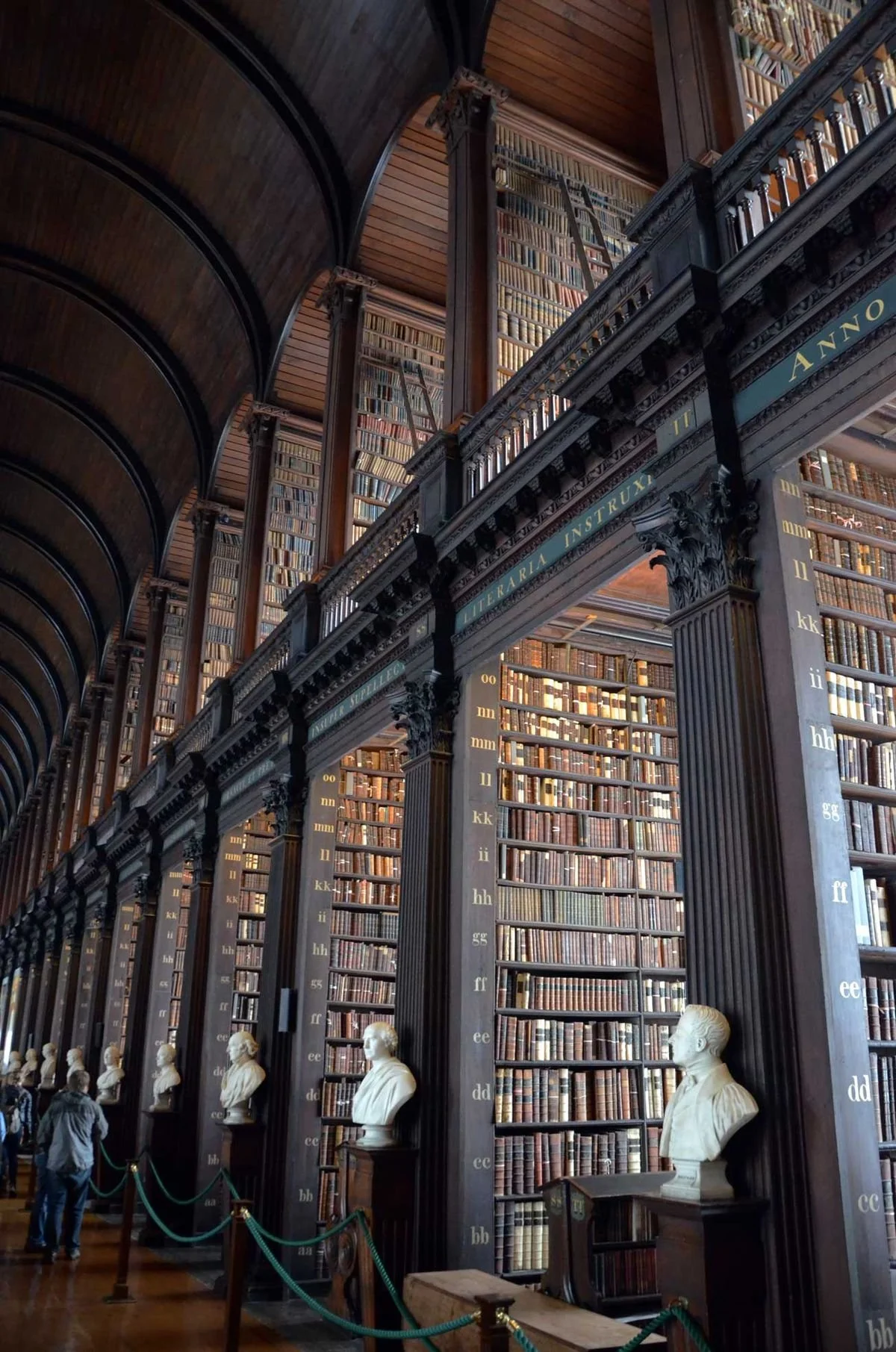
Trinity College and the Book of Kells: Discover Irish Heritage in the Heart of Dublin
Located in the heart of the city, Trinity College is one of Dublin's most famous landmarks and one of Ireland's most important educational institutions. Founded in 1592, it boasts stunning historic buildings, tranquil courtyards, and the world-renowned Old Library. However, for many visitors, the real highlight is the opportunity to admire the Book of Kells, one of Ireland's greatest cultural treasures.
Created around 800 AD by Celtic monks, the Book of Kells is an elaborately decorated manuscript and is considered one of the finest examples of medieval art in the world. Its richly decorated pages, vibrant colors, and exquisite calligraphy reflect the extraordinary craftsmanship of early Christian Ireland. More than just an ancient manuscript, it offers a rare glimpse into Ireland's religious, artistic, and cultural heritage.
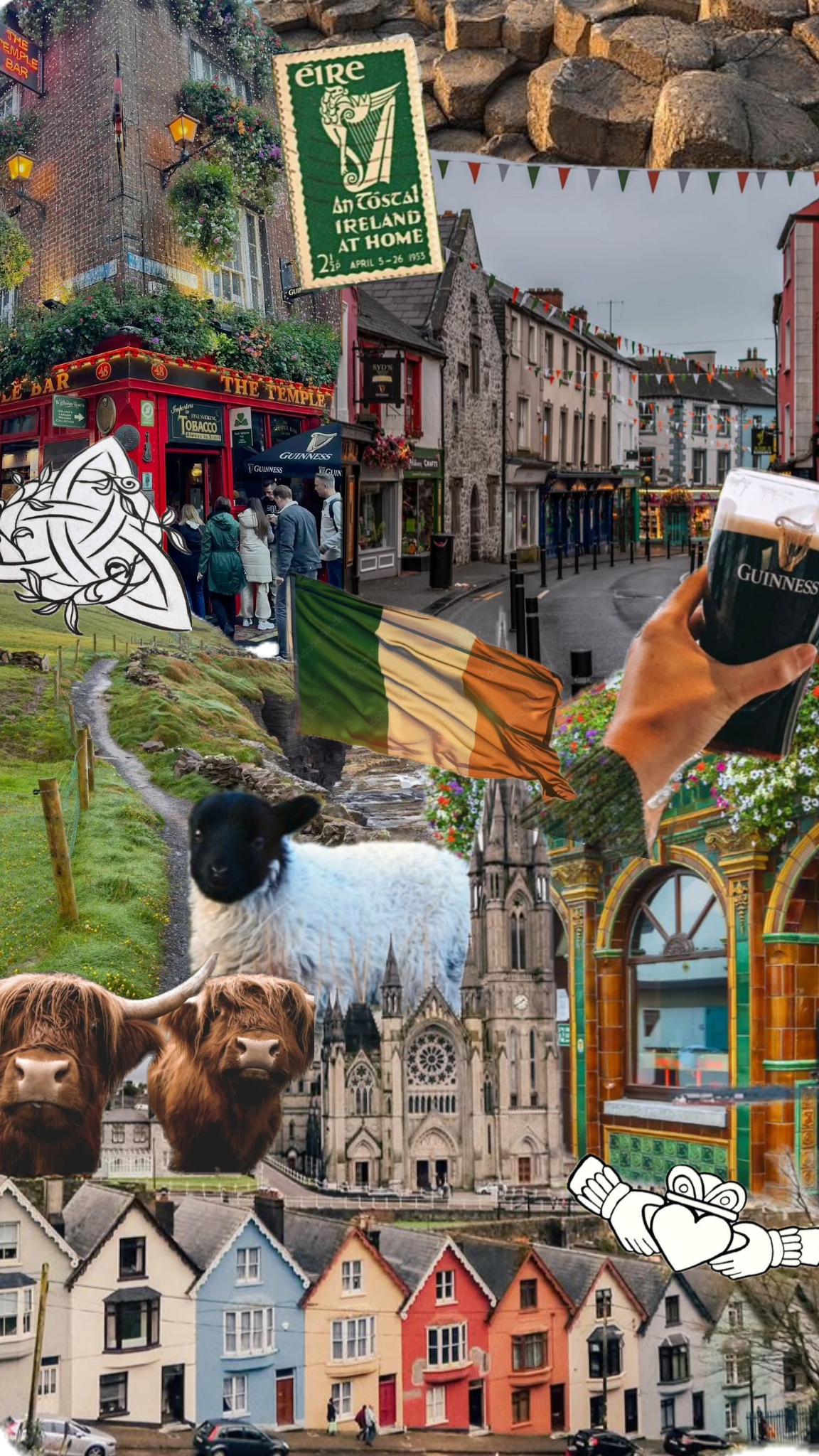
Why Travellers Come to Ireland: Heritage, Family Roots and Cultural Connection
Ireland is a destination that draws people in for many different reasons. For some, it is the landscape. For others, it is the history or a sense of connection through family roots. But for many travelers, what stays with them most is something less tangible: the feeling of belonging that comes from experiencing Ireland more personally.
In this episode of The Celtic Way Podcast, Stephanie Woollard OAM speaks with Rodney Ferguson, a tourism professional with a deep connection to Irish heritage and visitor experience. Their conversation explores what truly makes travel in Ireland meaningful and why so many people return with a stronger sense of connection to the island.
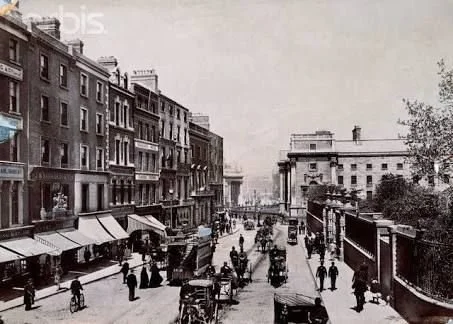
Grafton Street, St Stephen’s Green, and the Living Culture of Dublin
Grafton Street is known for its musicians, performers, and lively atmosphere. The tradition of street performance has become part of the city’s cultural identity, turning an ordinary walk into an encounter with Irish creativity and expression. Music in Ireland has always carried more than entertainment. It carries story, emotion, and connection, and on Grafton Street that spirit is still very much alive.
Nearby, St. Stephen’s Green offers another kind of cultural meaning. Beyond its beauty, it is one of Dublin’s most-loved public spaces, shaped by generations of everyday use, gatherings, and memory. It reminds us that heritage is not only found in monuments but also in the places people return to, rest in, and make part of their lives over time.
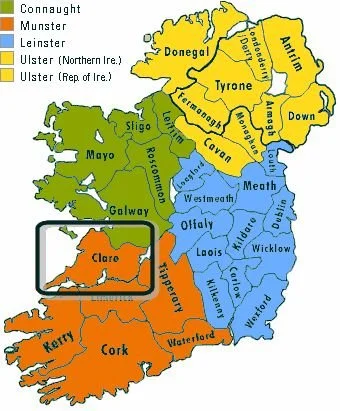
County Clare and Irish Family Heritage
In this episode of Irish Voices: Counties of Ireland, genealogy researcher Jane O’Halloran reflects on why Clare continues to matter so deeply to Irish families in Ireland and across the diaspora. Her perspective is especially meaningful for those beginning a journey into Irish genealogy or hoping to understand how place shapes family history.
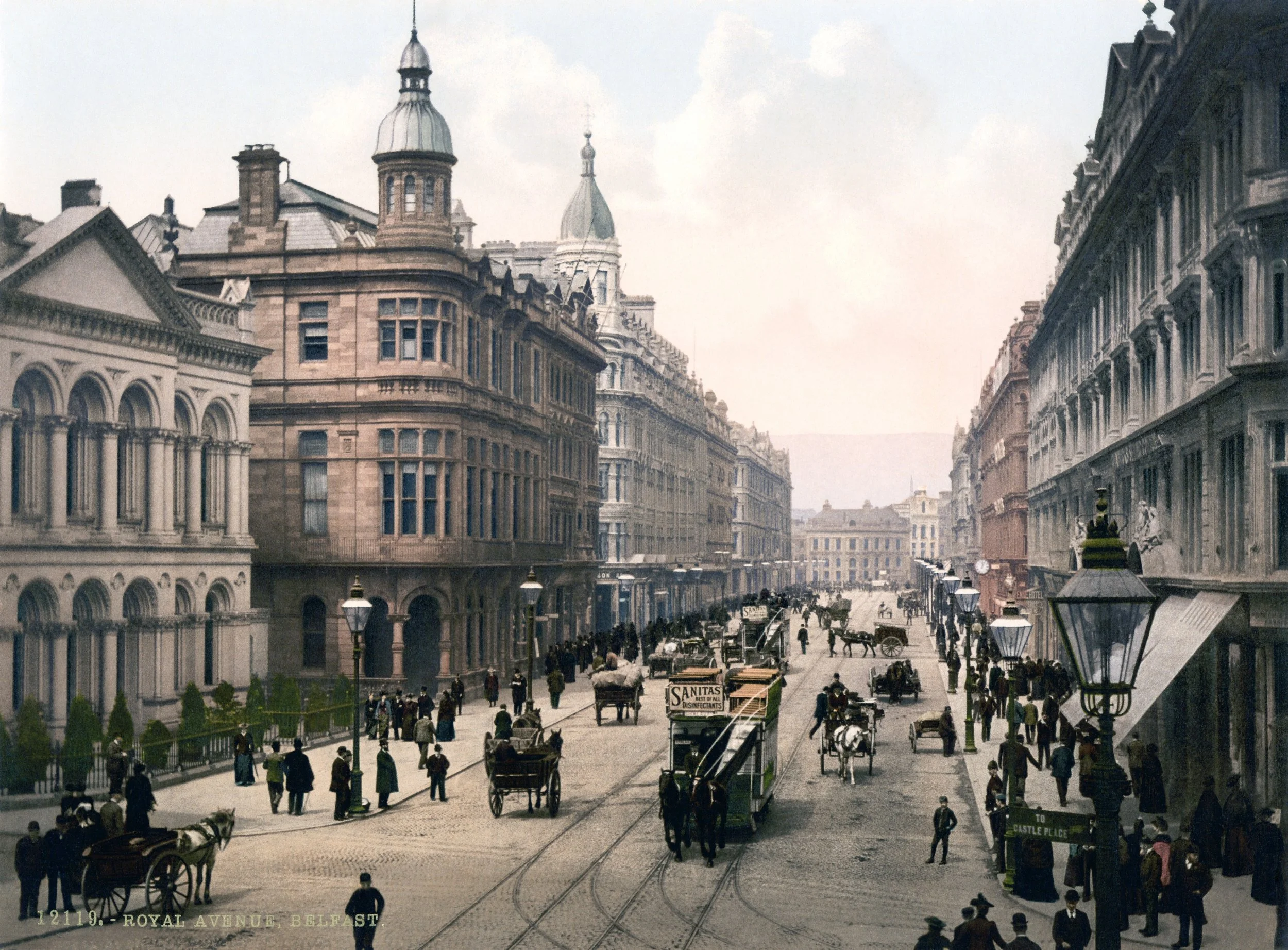
Belfast Through the Eyes of History
In this episode of The Celtic Way Podcast, historian Constantin Torve explores the connections between Belfast, Irish identity, and the global Irish diaspora. His insights reveal how Irish history traveled with people and helped shape events in other parts of the world.

Heartlands Radio: Connecting You to Irish Roots Through Story, Music, and Conversation
Exploring Irish heritage often starts with something simple — a story, a song, or a conversation that makes you feel closer to Ireland.
Airing every Friday from 1–3 pm on 96.5 Inner FM, Heartlands is hosted by Stephanie Woollard OAM, founder of The Celtic Way and Irish Family Trust, together with special guests. Through music, storytelling, and thoughtful conversation, the program creates a space where listeners can feel closer to Ireland, wherever they are in the world.
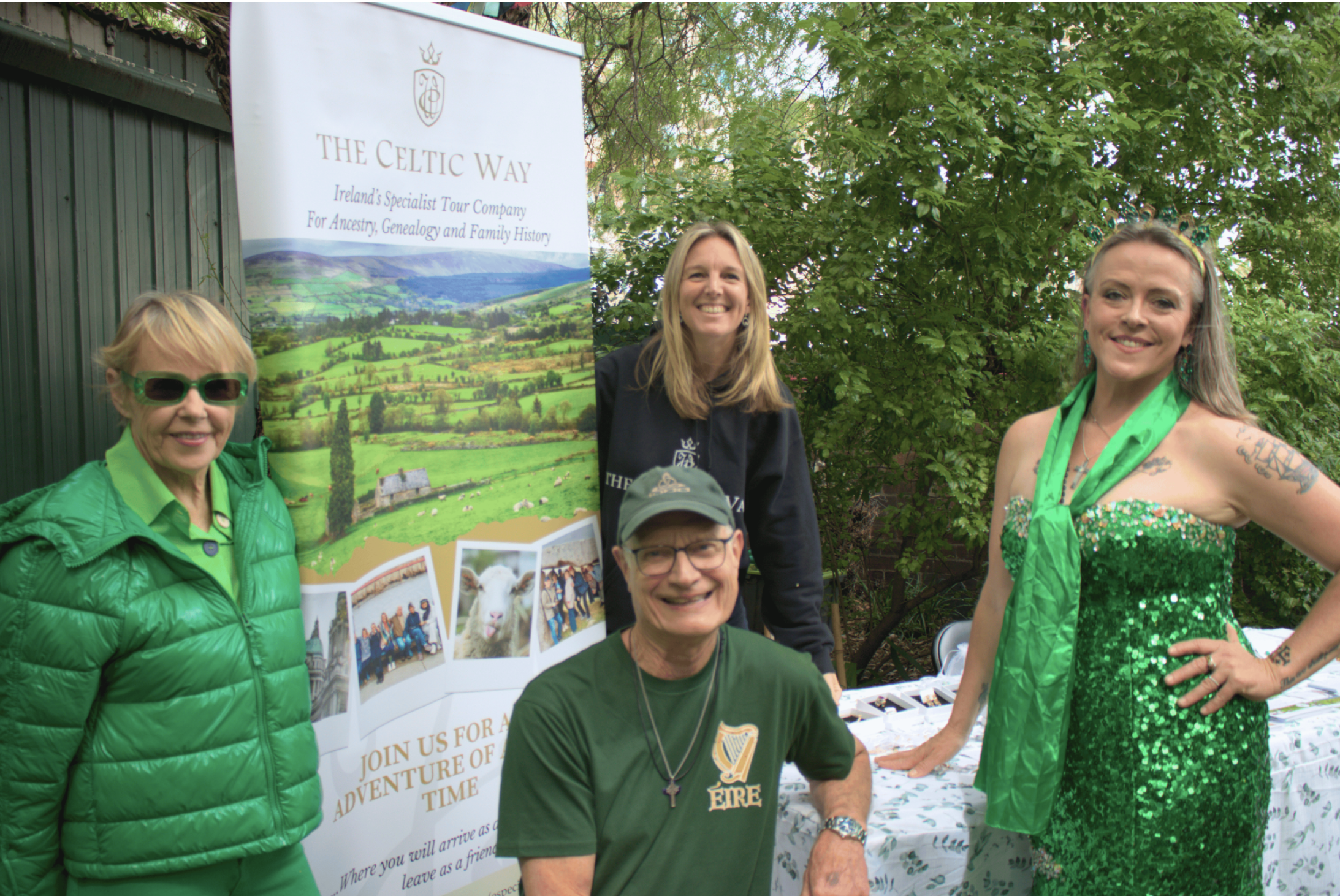
Melbourne Celtic Festival 2026: Celebrating Irish Roots on St Patrick’s Day
The Melbourne Celtic Festival 2026 was a meaningful way to celebrate St Patrick’s Day and the rich traditions of Irish culture and heritage.
Held at the Mission to Seafarers on 17 March, the festival brought together music, storytelling, and community in a warm and friendly atmosphere. Throughout the Hall, Chapel, Dome, and Garden Stage, visitors moved between performances, conversations, and shared cultural moments, creating a feeling of both joy and intimacy.

Irish Music and Dance: A Cultural Legacy
Irish music and dance are central to Ireland’s cultural identity, offering a vibrant expression of the country’s history, spirit, and creativity. Rooted in centuries-old traditions, both music and dance have played an essential role in community gatherings and celebrations, preserving Irish heritage and connecting generations. Today, they are enjoyed worldwide, thanks to their universal appeal and the global Irish diaspora.

Exploring the Regions of Ireland: North vs. South
Ireland is an island rich in history, culture, and breathtaking landscapes, but its division into two distinct regions—Northern Ireland and the Republic of Ireland in the south—offers unique contrasts that reflect both political history and cultural diversity. Exploring the differences between the North and South highlights their shared heritage, as well as the distinct experiences and identities that have shaped each region.

Irish Immigration and Its Impact on Global Culture
Irish immigration has had a profound and lasting impact on global culture, influencing nations far beyond the shores of Ireland. From the waves of emigration during the Great Famine to more modern migrations, Irish people have carried their traditions, values, and creativity to all corners of the world. Today, their legacy is felt in diverse ways, enriching the cultures of countries like the United States, Canada, Australia, and the United Kingdom, while shaping the Irish diaspora’s identity.

The Importance of Irish Language and Culture
The Irish language, or Gaeilge, and the rich cultural heritage it represents are essential to understanding Ireland's national identity. As one of the oldest living languages in Europe, Irish has been spoken on the island for over 2,500 years, rooted in the Celtic traditions that shaped Ireland's history, literature, and folklore. Despite facing centuries of decline under British rule, Gaeilge remains a powerful symbol of resilience and cultural pride.

The Great Famine: Its Impact on Irish Emigration
The Great Famine, also known as An Gorta Mór, was a catastrophic event in Ireland’s history that profoundly shaped the country’s future, particularly through mass emigration. From 1845 to 1852, a potato blight devastated Ireland’s primary food source, leading to widespread starvation, disease, and death. During this period, over one million people died, and another million fled Ireland, dramatically altering both the Irish population and the countries that received these emigrants.

Exploring Irish Folklore and Mythology
Irish folklore and mythology are deeply woven into the fabric of Ireland’s cultural identity, offering a window into the island’s ancient past, spiritual beliefs, and storytelling traditions. Rooted in Celtic legends and oral histories, these myths reflect Ireland’s connection to its land and the supernatural.

Irish Naming Traditions and Regional Differences
Irish naming traditions are deeply rooted in the island's history and reflect the strong connections to family, clan, and region. Surnames, in particular, offer clues to a family’s ancestry and where they might have originated within Ireland.

Why Did So Many Irish Come to Australia?
The Irish migration to Australia is a fascinating chapter in the broader history of the Irish diaspora. Throughout the 19th and early 20th centuries, thousands of Irish men, women, and children left their homeland for the distant shores of Australia. The reasons behind this significant movement are multifaceted, involving economic hardship, British colonial policies, political unrest, and the lure of new opportunities.

A Brief Overview of Irish History
Ireland’s history is a captivating story of ancient civilizations, foreign invasions, colonialism, rebellion, and cultural resilience. It’s a tale shaped by its rugged landscapes, unique Celtic roots, and the constant struggle for independence. Spanning thousands of years, Irish history reflects both the internal dynamics of the island and its interactions with the outside world. Here’s a brief overview of some key periods and events in Irish history.

Lesson from loss
Burnout had been a distant concern, overshadowed by my passion for work and social impact. But everything shifted in 2013 when I moved to Sweden and received devastating news: my grandmother was dying. Her passing marked the start of a profound journey through grief and burnout.