
C.S. Lewis: Walking Through the World That Inspired Narnia
Few writers have shaped both Christian thought and imagination quite like C.S. Lewis. Best known for The Chronicles of Narnia, he was not only a storyteller but also one of the most influential Christian thinkers of the 20th century.
Early Life and Irish Influence
Lewis was born in Belfast in 1898, and his early life in Ireland played a significant role in shaping his imagination. Surrounded by books, stories, and the natural landscape, he developed a creative outlook that later defined his writing.
His childhood home, Little Lea, remains an important part of his story, offering insight into the environment that shaped his early years.
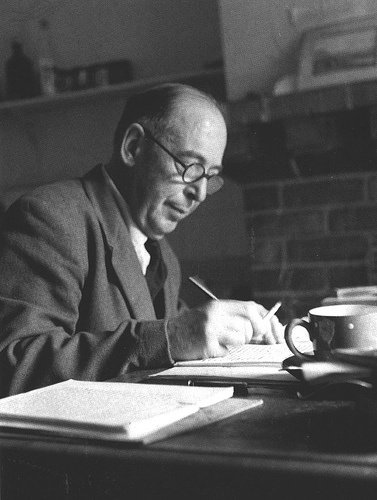
A Journey of Faith
Although baptised as a child, Lewis moved away from Christianity in his youth and became an atheist. His return to faith was gradual and shaped by intellectual reflection and discussion.
Through friendships, particularly with J.R.R. Tolkien, Lewis began to reconsider Christianity. In 1931, he returned to the faith, later describing himself as “the most reluctant convert in all England.”
Writing and Legacy
Lewis’s works, including Mere Christianity and The Problem of Pain, explore faith, doubt, and human experience with clarity and honesty. At the same time, The Chronicles of Narnia brought Christian themes into story form, making them accessible to readers of all ages.
Ireland’s Role in His Story
For those interested in Irish heritage, Lewis’s life highlights the connection between place and identity. His Belfast roots and the surrounding landscapes, including the Mourne Mountains, played a key role in shaping his imagination.
Lasting Significance
C.S. Lewis remains a powerful example of how intellect, imagination, and faith can come together. At the foundation of his story is Ireland — a place that helped shape one of the most important literary and Christian voices of modern times.
Explore more heritage journeys here:https://www.thecelticway.com.au/