
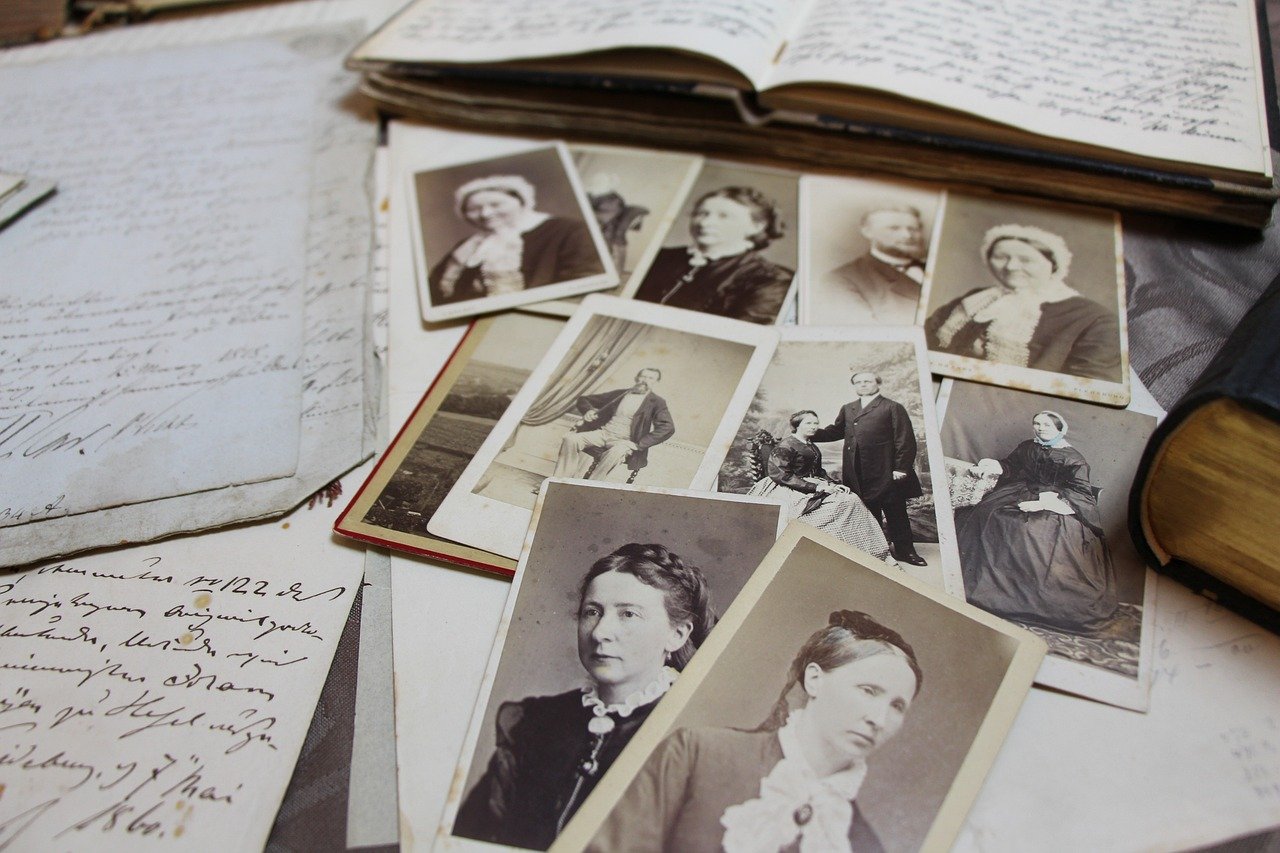
Discover your Irish Heritage!
Discover your Irish Heritage!
Ring of Kerry and the Cultural Landscape of County Kerry
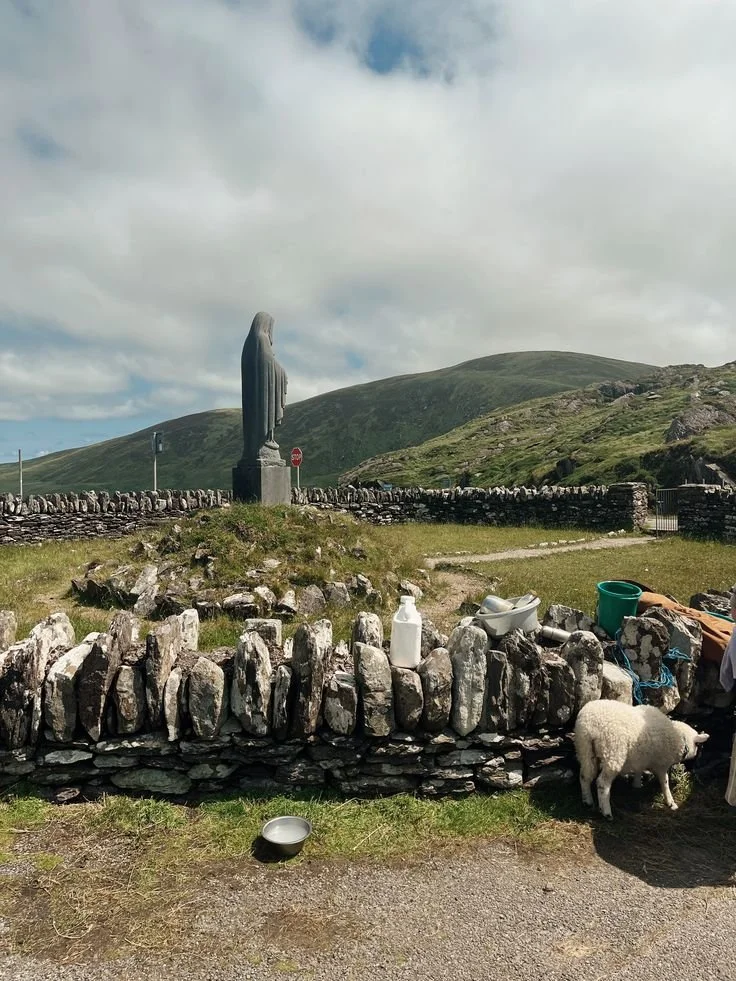
The Ring of Kerry is often known for its scenery, but its heritage value goes far beyond its famous views. This route through County Kerry offers a strong sense of how landscape, community, and local identity have shaped one another over time. It is a place where mountains, coastline, fields, and villages all work together to tell a deeper story about life in the west of Ireland.
A Shared Irish Story Across Victoria
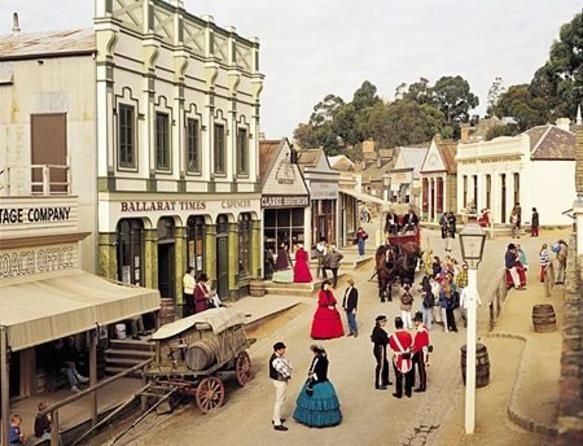
Across Victoria, the story of Irish migration is written into the landscape in ways that are both visible and deeply felt. It is there in church spires, old streets, family names, local traditions, and communities that still carry traces of the people who built them. When we look across places such as Koroit, Warrnambool, Bendigo, and Ballarat, a shared pattern begins to emerge. The Irish story in Victoria is not confined to a single town or event. It stretches across regions and generations, forming a rich and lasting heritage that continues to shape the identity of these places today.
Ballarat and the Irish Role in Shaping Change
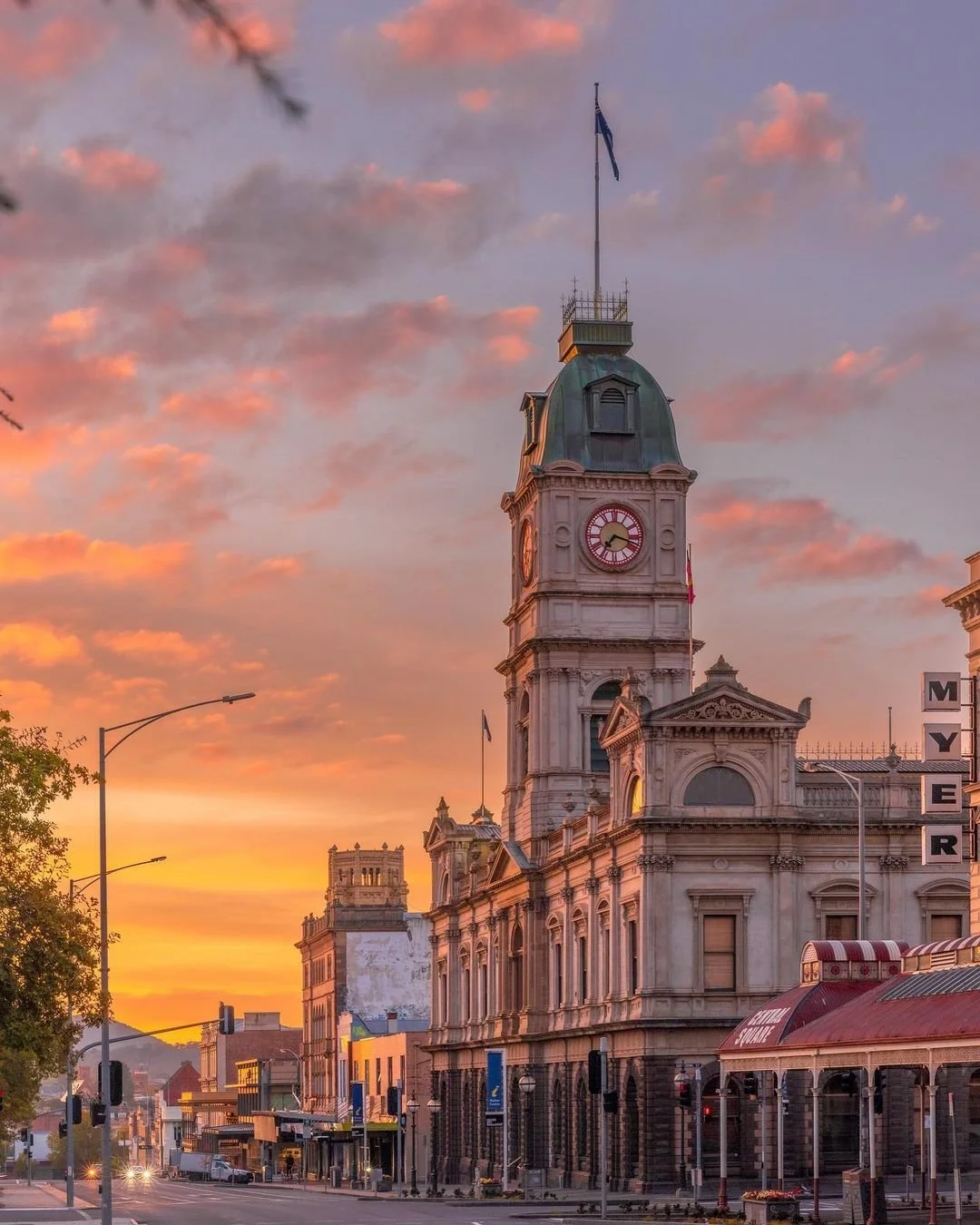
Ballarat holds a unique place in the story of Irish migration in Victoria because it reflects not only settlement and labour, but also resistance, political change, and the search for fairness.
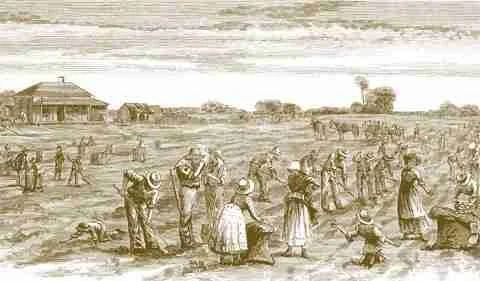
Irish migrants were part of the gold rush communities that grew quickly in Ballarat during the nineteenth century. Like many others, they worked under difficult and often unfair conditions, facing licensing systems and heavy regulation that placed constant pressure on daily life. These tensions eventually fed into the events surrounding the Eureka Stockade, which has become one of the most significant moments in Australian historical memor
Bendigo: Irish Migration, Work, and the Search for Fairness
Bendigo represents an important chapter in the Irish experience in Australia. It was a place where migration, labour, hardship, and social change came together in powerful ways.
In the 1850s, the discovery of gold transformed Bendigo into a place of both opportunity and risk. Irish migrants were among those who arrived in large numbers, many coming from difficult circumstances and hoping to build a more secure future. Yet life on the goldfields was demanding, and daily existence often depended on endurance as much as luck.
Koroit and Warrnambool: Where Irish Heritage Found a Home
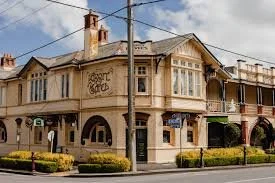
Koroit and Warrnambool are part of a region where Irish heritage remains especially strong. The connection is visible not only in church buildings and family names, but also in the character of the community itself. There is a sense of continuity here, a feeling that the past has not disappeared, but has simply become part of everyday life.
Much of this story began in the mid-19th century, when Irish migrants, many from County Clare, arrived in this part of Victoria. Unlike the goldfields, which attracted movement and uncertainty, this region offered the possibility of building a settled life. Families came to farm, raise children, and create a future that felt more secure. In doing so, they brought with them traditions, beliefs, and a strong sense of community.
From Famine to Freedom: The Irish Story in Victoria
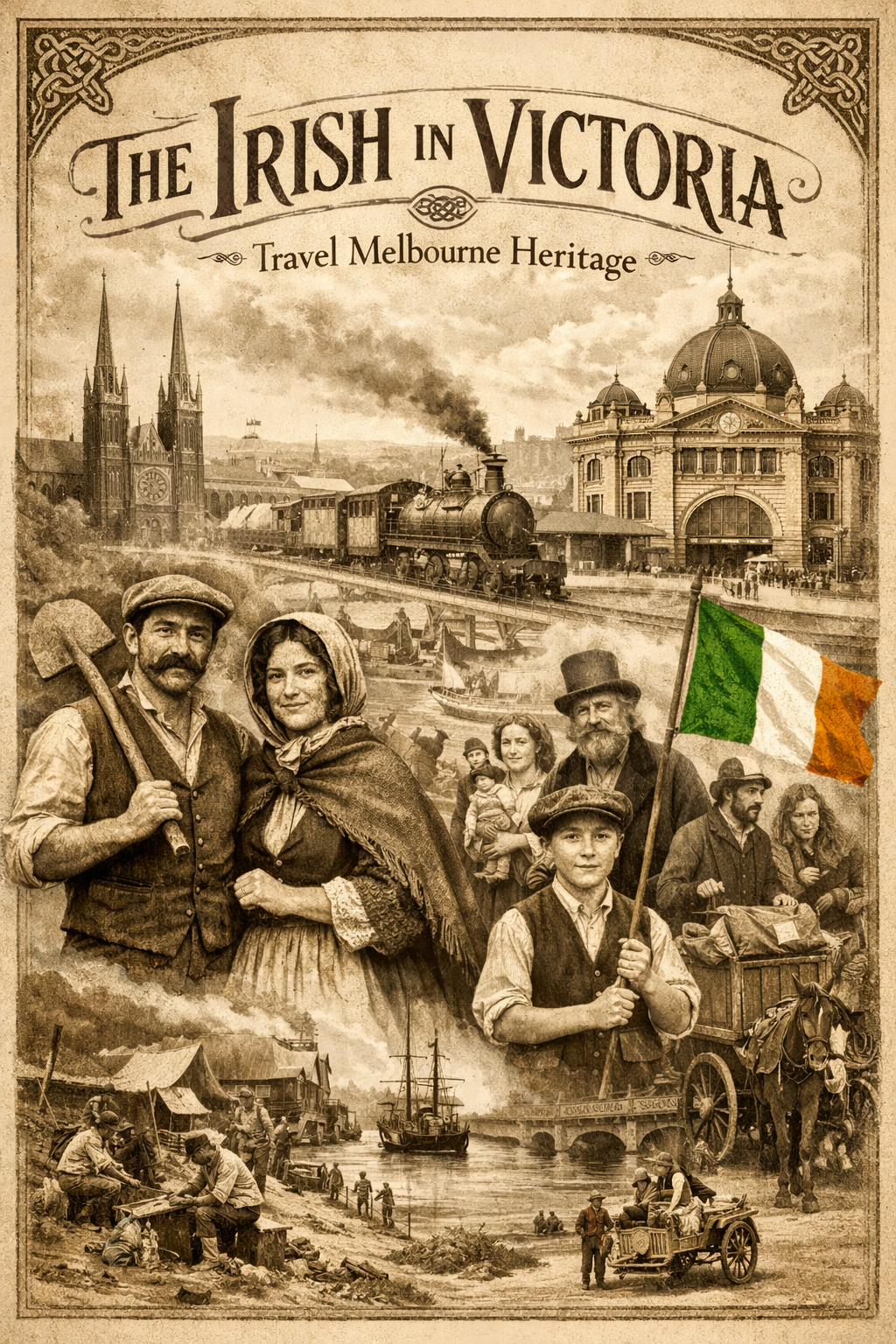
Across parts of Victoria, there is a history that is not always visible, but still deeply present. It begins in Ireland during one of the most difficult periods in its history, when famine, poverty, and uncertainty forced many people to leave.
For those who arrived in Australia, migration was not simply a journey. It was a turning point. They carried very little with them, but they brought something that proved far more lasting: their values, their faith, and their sense of community.
The Deep Connection Between Ancestry, Memory, and Place
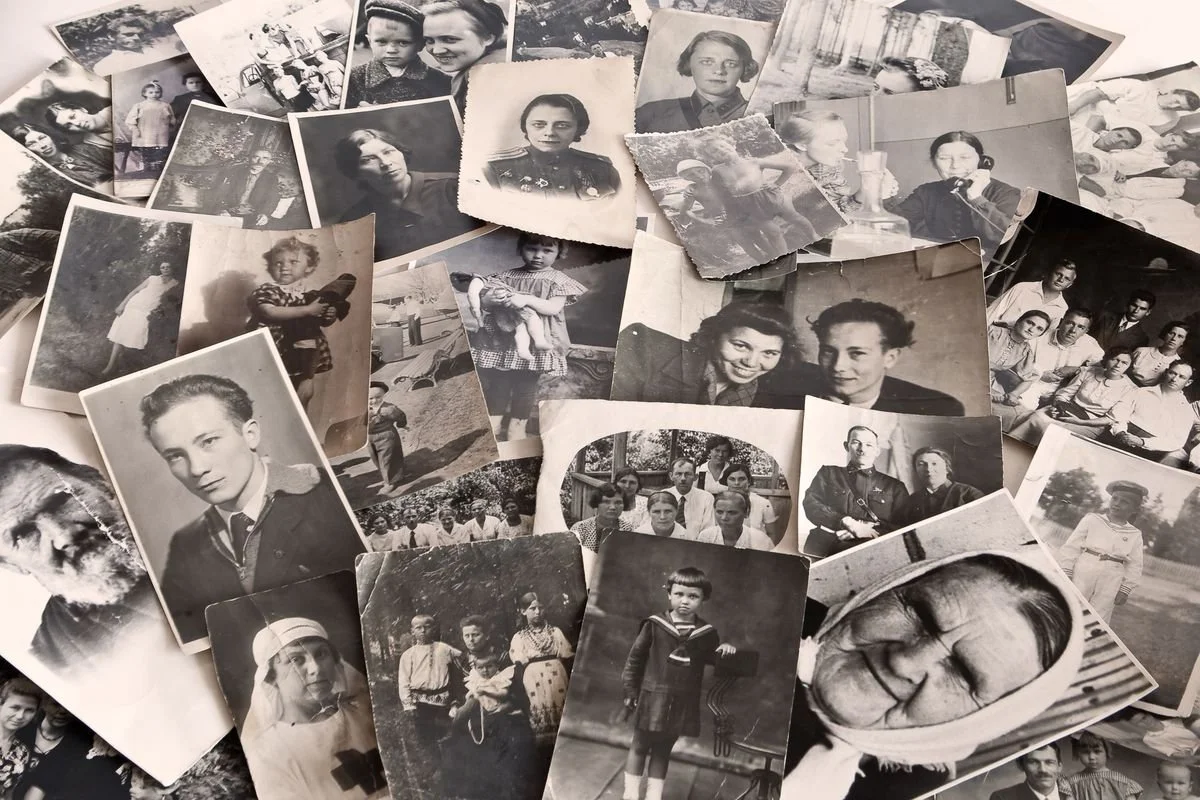
Family history is not only recorded in documents. It also lives in memory, in stories, and in the places where those stories began. For many people, exploring Irish ancestry becomes meaningful because it connects all of these elements together.
Sometimes the connection starts with something small. A name that appears in family records. A place that is mentioned more than once. Or simply a feeling that there is more to understand about where a family comes from. Over time, this curiosity often grows into a deeper exploration.
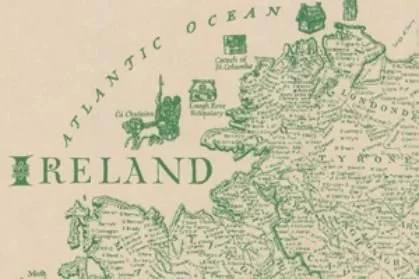
Why More People Are Exploring Irish Genealogy Today
Interest in Irish genealogy has grown steadily in recent years. What was once considered a niche or specialised hobby has become something many people feel drawn to, regardless of age or background.
One of the main reasons for this shift is access. Historical records, archives, and online tools are now much easier to use than before. People can begin researching their family history from home, gradually building their understanding through digital databases, records, and resources that were once difficult to reach.
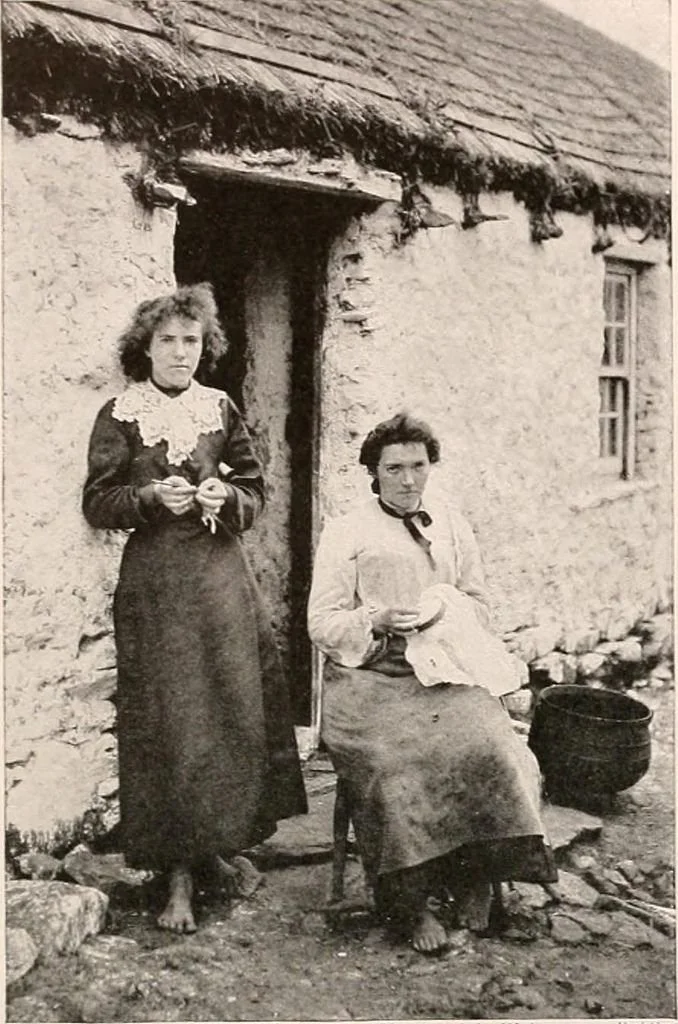
Unearthing Hidden Stories: Why Female Ancestors Matter in Irish Family History
When people begin tracing their family history, the focus often follows the male line. Surnames, family trees, and official records usually make it easier to trace fathers and grandfathers. But this can leave out an important part of the story.
Female ancestors may be harder to trace, but their lives were just as important. In many families, women held everything together. They raised children, cared for relatives, managed households, and often supported farms or family businesses during difficult times. Even if their names appear less often in official documents, their influence was central to everyday life.
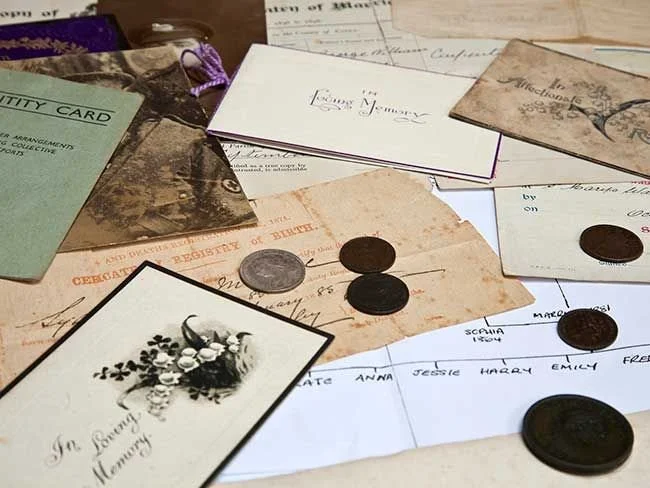
Your Essential Guide to Tracing Irish Ancestry
Looking into Irish ancestry can be exciting, but it can also feel overwhelming at the start. Many people begin with only a small piece of information — perhaps a surname, a rumour about a county, or a relative who once mentioned Ireland in passing. Even with very little to go on, it is still possible to make progress.
The key is to begin carefully and build your research step by step. Family history is often uncovered through small details that only make sense once they are put together.
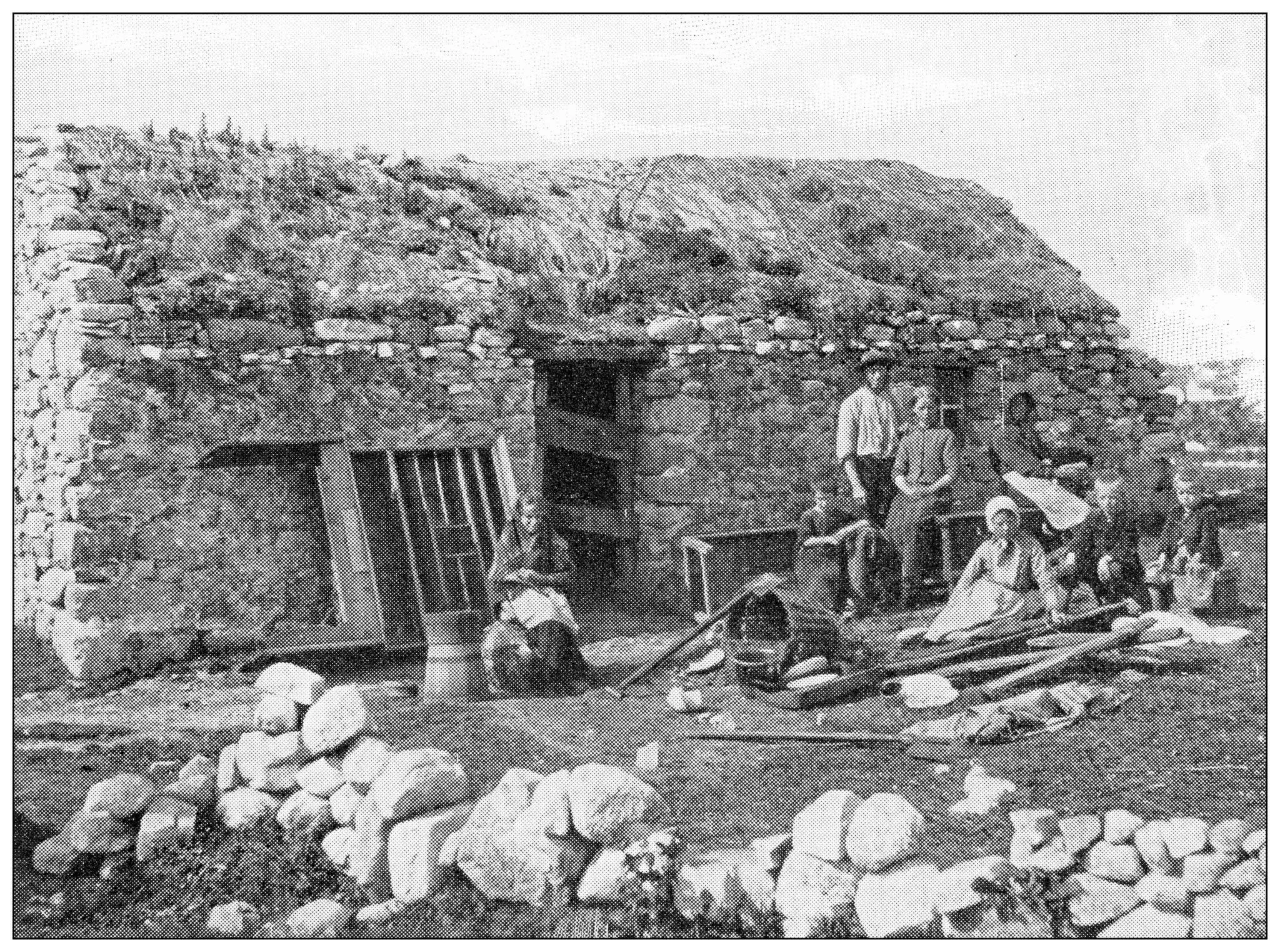
Why Family History Matters More Than We Think
For many people, researching ancestry is also a rewarding personal journey. It brings together curiosity, learning, and identity. Each discovery, whether small or large, can help build a stronger sense of self and a deeper connection to family heritage.
For those exploring Irish ancestry, this can be especially meaningful. Learning about an ancestral county, village, or family line can turn Irish heritage into something real and personal. It is no longer just history. It becomes part of your own story.
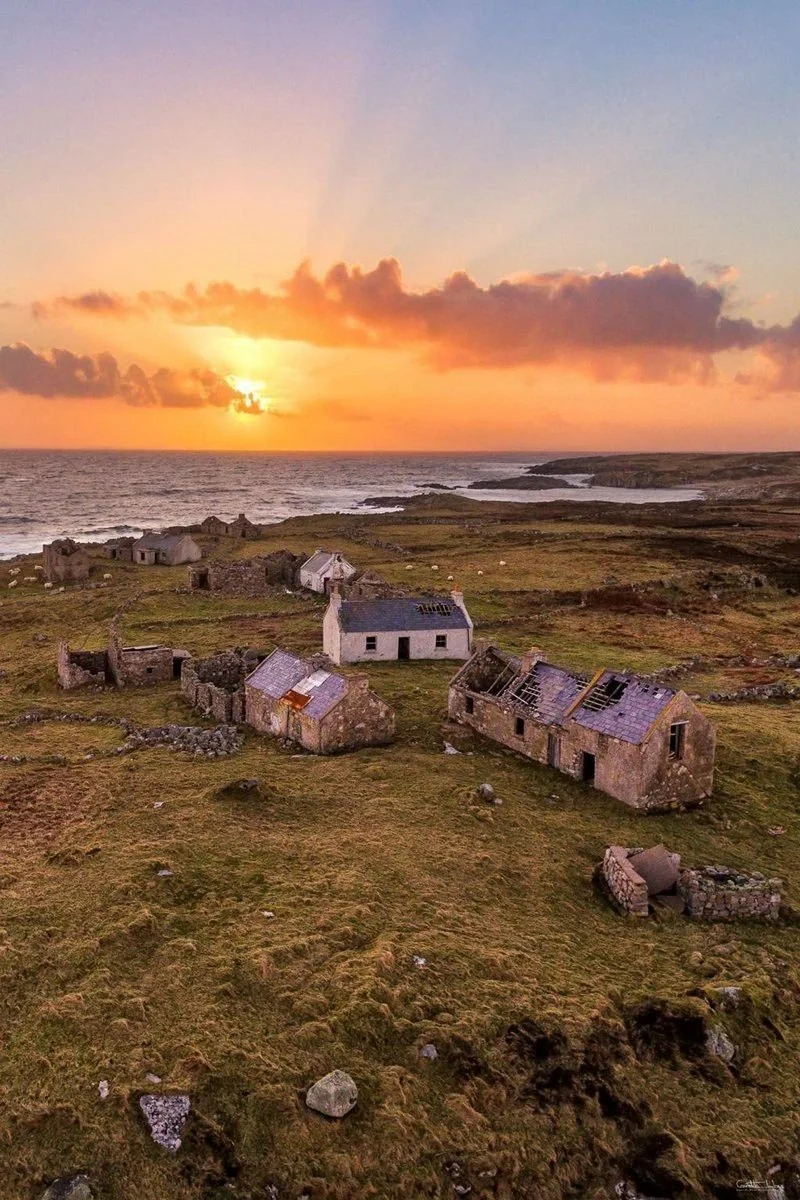
County Donegal and the Heritage of Landscape, Language, and Identity
County Donegal holds a special place in Irish heritage because it brings together many of the elements that people most strongly associate with Ireland: rugged landscapes, Gaelic tradition, coastal life, and a deep sense of cultural identity. Official tourism sources describe Donegal as a county rich in culture and heritage, shaped by mountains, coastline, and living traditions that continue to define the region today.
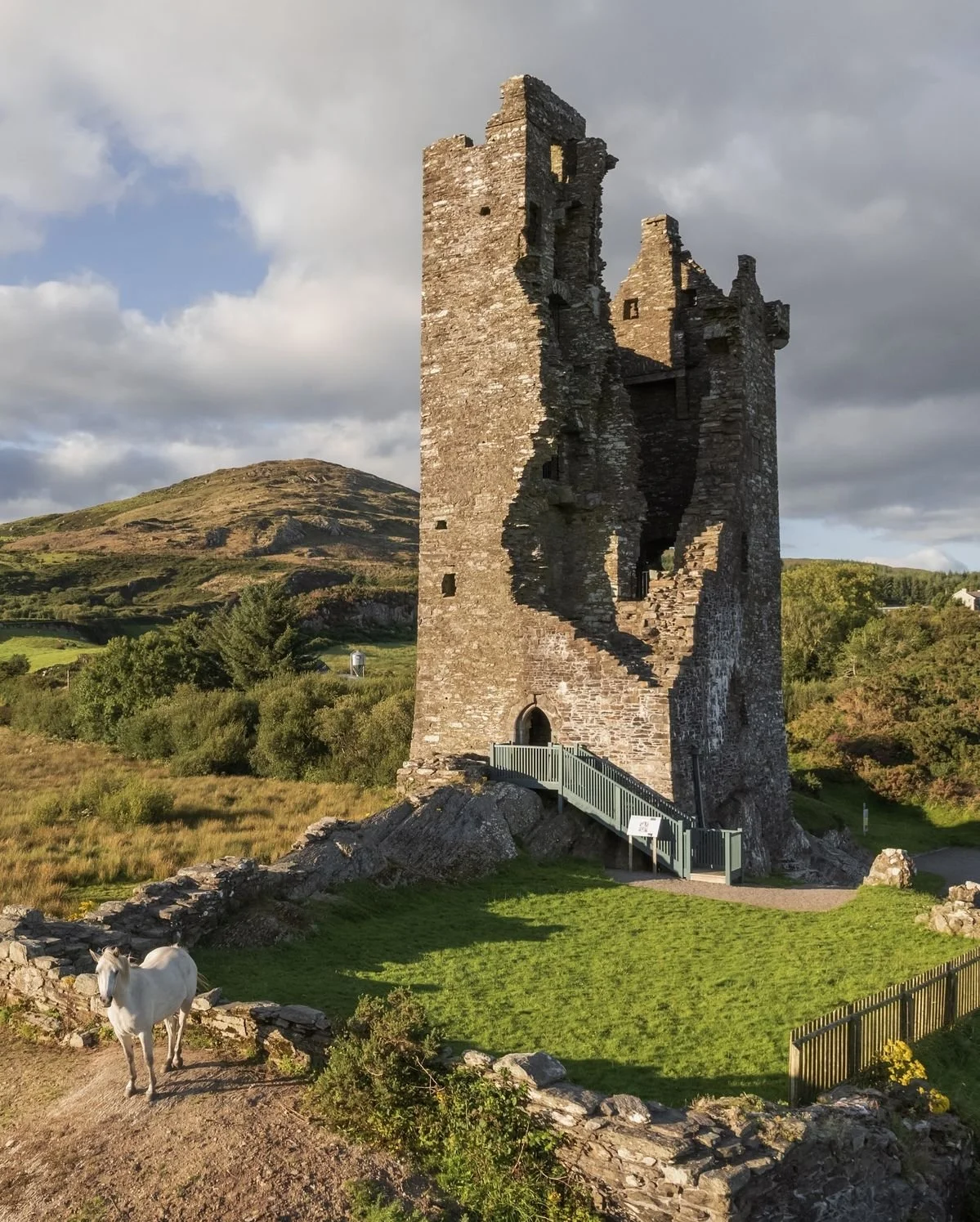
County Waterford and the Heritage That Helped Shape Ireland
In this episode of The Celtic Way Podcast Series: Counties of Ireland by Irish Voices, Corra Brown reflects on the rich history of County Waterford and why it remains such a meaningful part of Ireland’s cultural landscape. Her perspective points to something important about Waterford: it is not only old but also continuously alive with history. From Viking settlement to maritime trade and centuries of local life, Waterford offers a heritage experience that feels both grounded and expansive.
St Patrick’s Grave, Down Cathedral, and the Religious Heritage of Armagh
St. Patrick’s Grave in Downpatrick occupies a central place in Ireland’s spiritual and historical imagination. Down Cathedral states that tradition holds Patrick was buried on the Hill of Down and that Christians have worshipped on the site for more than 1600 years. The grave became important in the early medieval period as a focus for the developing church, and over time the tradition also linked the site with saints Brigid and Columcille.
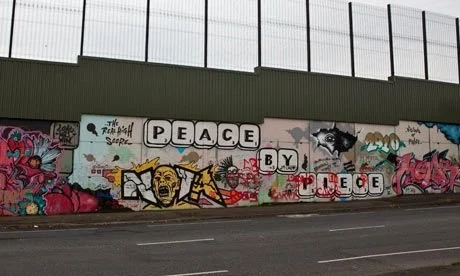
Belfast’s Peace Walls and the Heritage of Conflict and Reconciliation
The Peace Walls are now among the most recognised features of Belfast’s recent historical landscape. Their importance lies not in age, but in what they represent: the long legacy of conflict known as The Troubles and the ongoing process of reconciliation in Northern Ireland. Official tourism material increasingly frames peace tourism as a way of exploring protest, conflict, creativity, and peacebuilding through sites, stories, and local perspectives.
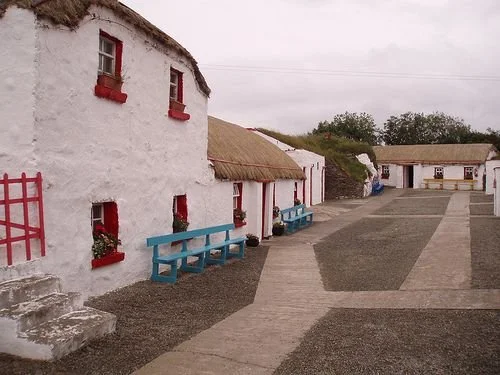
Doagh Famine Village and the Preservation of Ireland’s Hard History
Doagh Famine Village is important in Irish heritage because it preserves not only the memory of the Great Famine but also the longer social history of a local community adapting from the 19th century to the present. Official descriptions of the site emphasize that it tells the story of life in Ireland from the famine in the 1840s through later decades, focusing on survival and adaptation rather than on a single fixed moment.
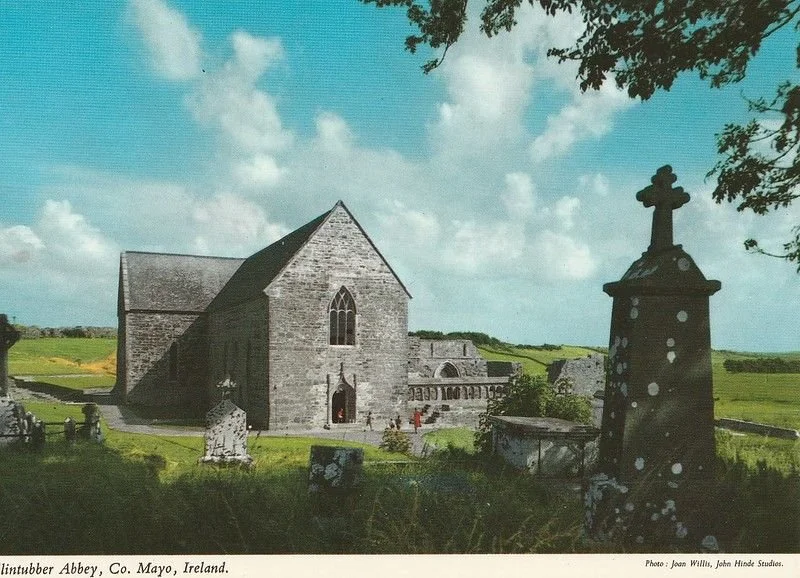
Ballintubber Abbey and Eight Hundred Years of Irish Worship
Ballintubber Abbey is one of the most important sites in Ireland for understanding continuity in religious heritage. Founded in 1216, it is closely associated with more than 800 years of history and worship, and its story includes royal foundations, restoration, famine-era challenges, and enduring pilgrimage traditions.
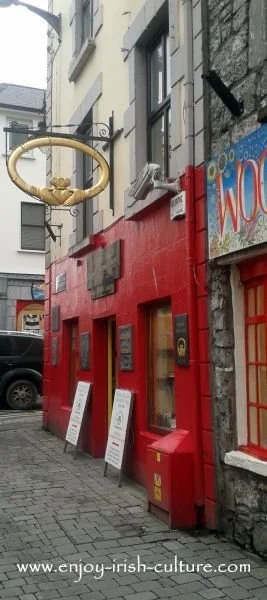
The Claddagh Ring and Galway’s Living Cultural Heritage
The Claddagh Ring occupies a special place in Irish heritage because it combines local origin, craftsmanship, symbolism, and legend in one enduring object. Its roots lie in Claddagh, the historic fishing community beside Galway City, and its design of hands, heart, and crown has long been understood to represent friendship, love, and loyalty.
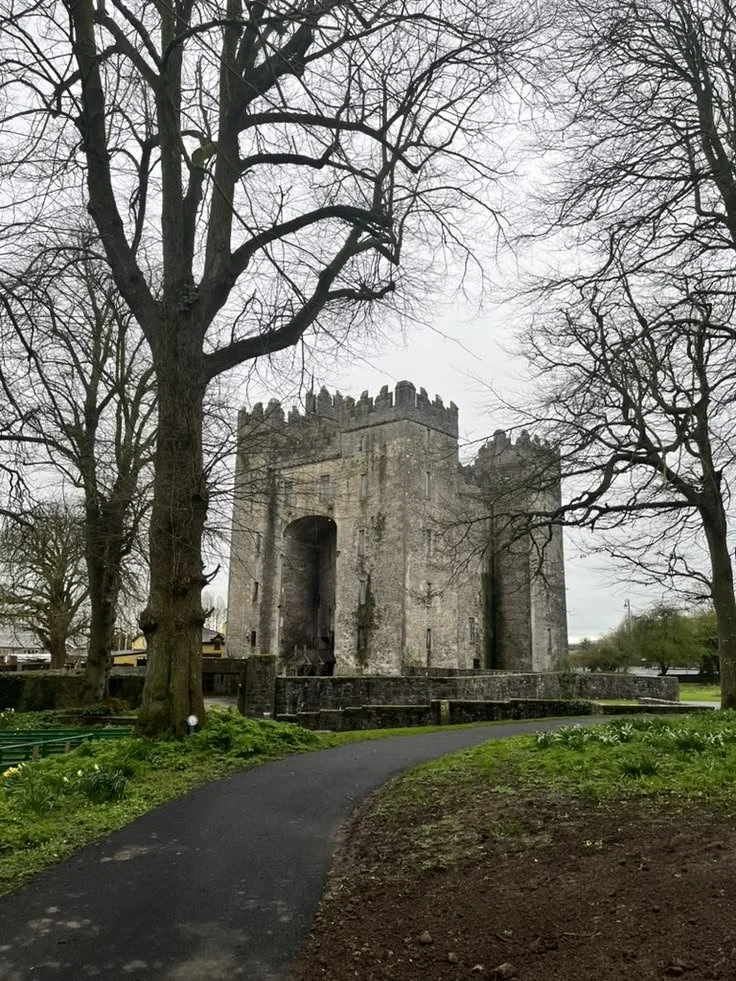
Bunratty Castle and Folk Park as a Living Record of Irish History
Bunratty Castle is one of the strongest examples in Ireland of how one site can hold multiple layers of historical meaning. Long before the present castle was built, the location had already served as a Viking trading camp in the 10th century. Over time, it developed through successive fortifications until the current 15th-century castle emerged, associated first with the MacNamara family and later the O’Briens of Thomond.
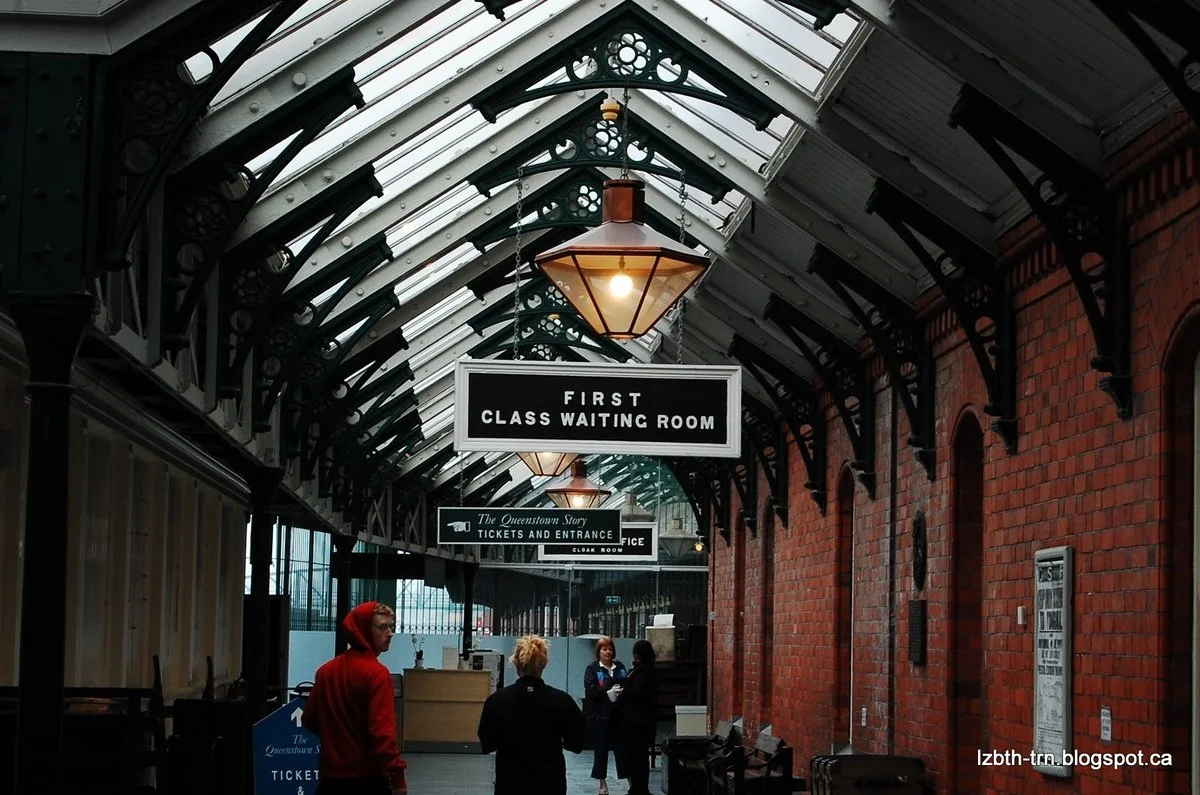
Cobh Heritage Centre and the History of Irish Emigration
Cobh occupies a central place in the story of Irish emigration. Formerly known as Queenstown, the town became one of the most important departure points in Ireland during the famine era and the decades that followed. Today, Cobh Heritage Centre preserves that history through exhibitions focused on emigration, maritime travel, and the impact these movements had on Irish society and family life.