
My family is from Southern Ireland.
Helpful resources
Impact on Genealogical Research:
The loss of records in this fire was devastating for Irish genealogy. The fire destroyed an extensive collection of documents, including:
1. Census Records: All original census records from 1821 to 1851 were lost. These would have provided detailed information on households, including names, ages, occupations, and relationships, which would have been invaluable for genealogists.
2. Church of Ireland Parish Registers: Many of the parish registers from the Church of Ireland dating back to the 17th century were destroyed. These records contained vital information on baptisms, marriages, and burials.
3. Wills and Testamentary Records: Probate records, including wills and administrations dating back to the early 17th century, were also lost. These documents would have provided details on family relationships, property, and financial status.
4. Land and Estate Records: Various land records, including deeds and leases, which could have traced the ownership and occupation of land, were lost.
5. Court Records: Many court records, including those of the Irish Court of Chancery, Exchequer, and the Four Courts, were destroyed. These would have contained legal disputes, inheritance issues, and other matters involving family history.
How It Hinders Research:
The destruction of these records creates significant gaps in genealogical research, especially for anyone tracing their ancestry before the mid-19th century. Without these vital records, it becomes much harder to:
Establish family connections before the 19th century.
Track property ownership and land transactions.
Confirm details through wills, court cases, or church records.
Use early census data to trace families and their movements.
During the Irish Civil War, on June 30, 1922, the Public Records Office (PRO) at the Four Courts in Dublin was destroyed by fire. The building was caught in the crossfire of a battle between pro-Treaty and anti-Treaty forces, leading to the complete destruction of the building and many of the records it housed.
Coping with the loss:
Despite this devastating loss, researchers can still trace their Irish ancestry through other surviving records:
1. Griffith’s Valuation (1847-1864): A property survey listing heads of households, which serves as a census substitute.
2. Tithe Applotment Books (1823-1837): These list individuals who paid tithes to the Church of Ireland, another useful substitute.
3. Church Records: Catholic parish records often survived, as they were kept locally, not in the Public Records Office. These include baptismal, marriage, and burial records.
4. Civil Registration: Civil registration of births, marriages, and deaths began in 1864 (1845 for Protestant marriages) and is a critical resource.
5. Estate Records: Some estate records survived in private collections or other archives.
6. Local Archives and Libraries: Some records and transcripts were copied or summarized before the fire and can be found in local or overseas repositories.
While the 1922 fire was a significant loss for Irish genealogy, by using alternative resources and being creative in research strategies, it is still possible to uncover much about your Irish ancestors.

1922 Public Records Office Fire: Cork Fires
Impact on Genealogical Research:
The Story:
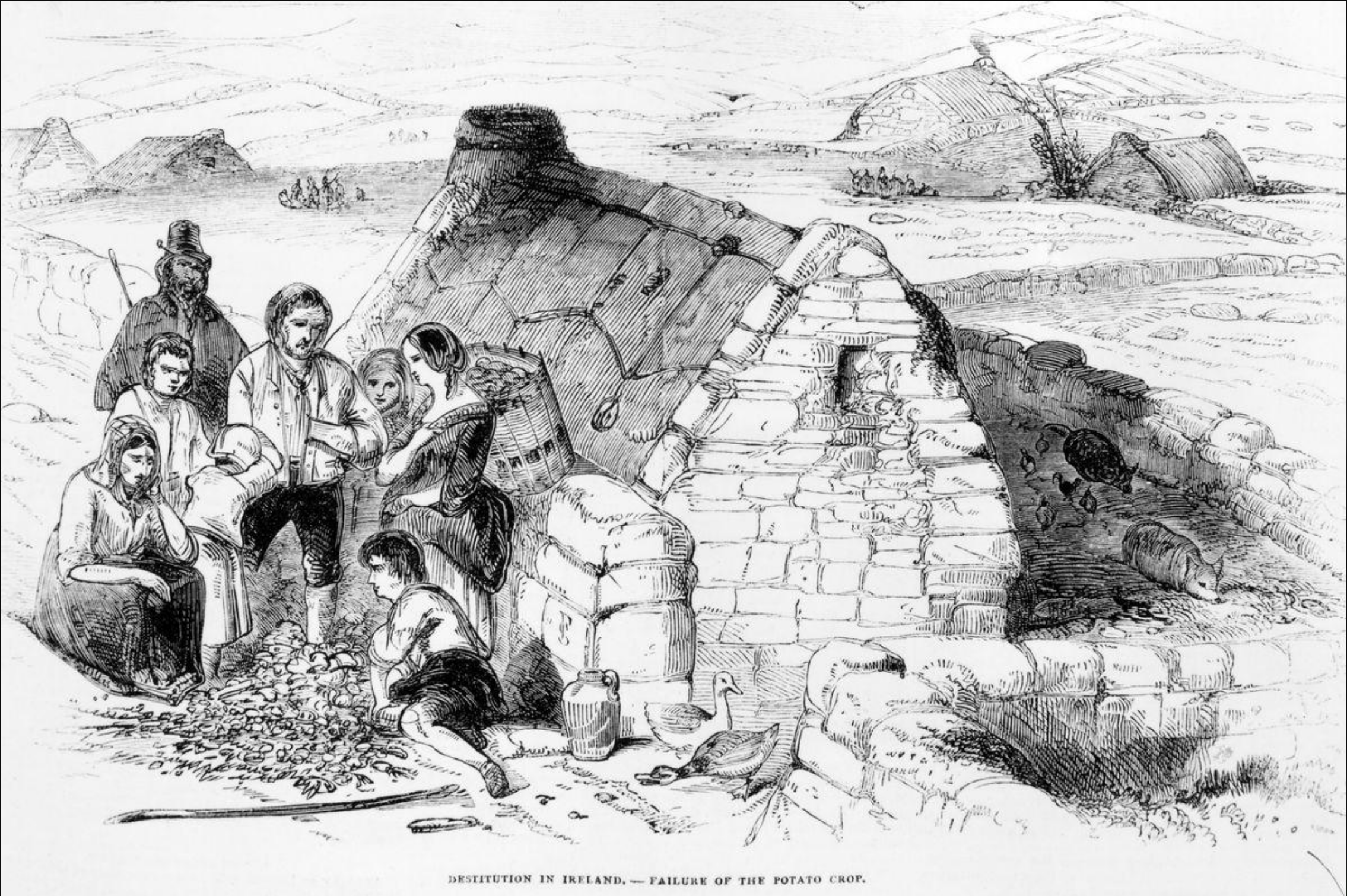
Image: Destitution in Ireland During the Great Famine, 1846. Source: National Library of Ireland.
Include it as an important family-history context piece. The famine affected population, migration, and the movement of Irish families overseas, making it especially relevant to descendants researching why and when their ancestors left Ireland.
The Great Irish Famine
The Act of Union
Include as historical background explaining the political landscape in which earlier generations lived. Because the Act affected the whole island of Ireland, the content should be presented as a wider Irish historical context rather than as an event exclusive to the south.
Why Does This Matter to Family History?
Political history can sometimes seem far removed from researching individual families, but changes in government can shape the records our ancestors left behind.
The Act of Union began a new political era that continued through many of the events that transformed Irish society during the 19th century.
Your ancestors may have lived through periods of political change, economic hardship, religious tension, campaigns for reform, and major movements of people within and beyond Ireland.
Understanding this wider environment helps provide context for the decisions families made and the communities in which they lived.
The Act of Union
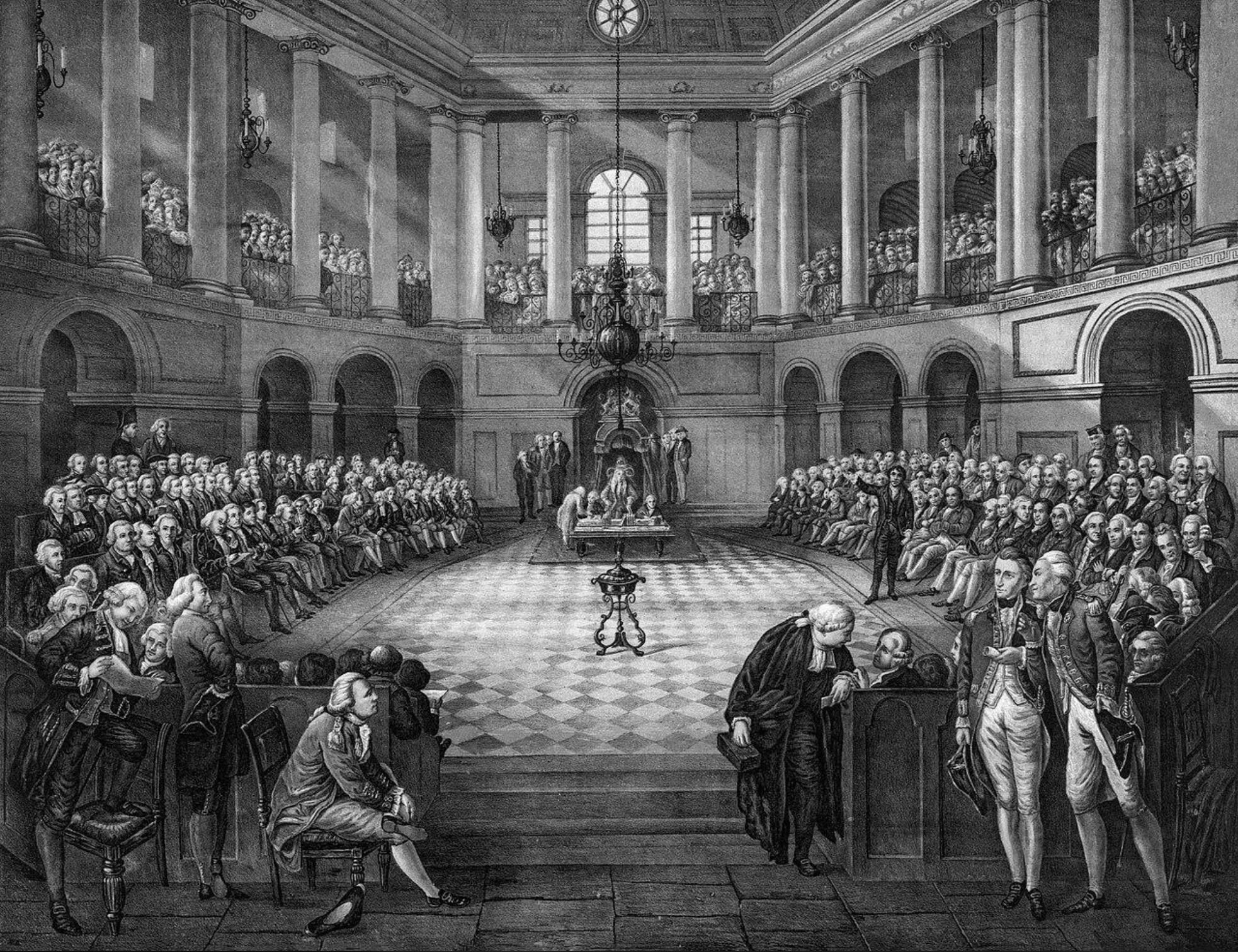
Image: The Last Parliament of Ireland, College Green, Dublin, 1790. Source: Library of Congress.
The Political Change That Reshaped Ireland
On 1 January 1801, a major change took place in Ireland.
The Act of Union brought Great Britain and Ireland together under a single parliament at Westminster, creating the United Kingdom of Great Britain and Ireland.
For anyone exploring Irish family history, this is an important historical turning point. It changed how Ireland was governed and formed part of the political landscape experienced by Irish families throughout much of the 19th century.
Ireland Before the Union
Before 1801, Ireland had its own parliament in Dublin.
During the late 18th century, questions surrounding Ireland's relationship with Britain became increasingly important. A growing sense of Irish political identity developed, while tensions over representation, government, and independence continued.
The 1798 Rebellion became another major turning point. In its aftermath, the British government pushed more strongly for political union between the two kingdoms.
The Acts of Union were subsequently passed, and Ireland's separate parliament was abolished.
From 1801, Irish representatives instead sat in the Parliament at Westminster.
Putting Your Ancestors Into Their World - Free resource below.
A family tree can tell you when and where someone lived. History helps you understand the Ireland they lived in.
If your ancestors were in Ireland during the 1800s, the political system created by the Act of Union formed part of the background to their everyday lives and to many of the changes that followed.
Born between 1940 and 1966?
Your parents, grandparents or great-grandparents may have lived through some of the most important chapters of Irish history.
Take our free 2-minute Irish Family History Quiz and receive a personalised-to-your-answers historical guide exploring what life may have been like for your ancestors, why Irish families emigrated and where you could begin discovering your roots.
Only 2 minutes · Free historical guide · No family documents needed.